


News & Events
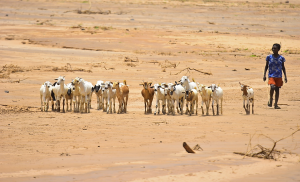
Halfway into the implementation of the 2030 Agenda for Sustainable Development, a lot of the progress made towards its food and agriculture-related targets has stagnated or reversed, compounding the challenges in eradicating poverty and hunger, improving health and nutrition, and combating climate change, according to a new report by the Food and Agriculture Organization of the United Nations (FAO).

A public consultation on the European Commission's proposals on New Genomic Techniques (NGTs) has opened. The proposal which was released on July 5, 2023, will have significant impacts on Europe's seed companies, farmers, and vegetable growers. The proposal suggests that plants resulting from targeted mutagenesis and cisgenesis be categorized separately from genetically modified organisms (GMOs) and introduces a notification process for “conventional-like” category 1 plants to confirm their status.
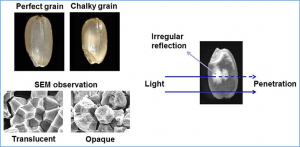
rain chalkiness is a major concern in rice production because it impacts milling yield and cooking quality, eventually reducing market value of the rice. A gene encoding vacuolar H+ translocating pyrophosphatase (V-PPase) is a major quantitative trait locus in indica rice, controlling grain chalkiness. Higher transcriptional activity of this gene is associated with increased chalk content. However, whether the suppression of V-PPase could reduce chalkiness is not clear.
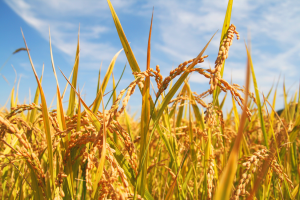
Researchers from the University of Arkansas developed a genetically modified rice that can withstand high temperatures and has reduced grain chalkiness. The expression of vacuolar H+ translocating pyrophosphatase (V-PPase), a culprit for increasing grain chalkiness, was reduced through the use of CRISPR-Cas9 gene editing tool.

Scientists have developed a new gene editing tool called CREST that can be used to edit RNA molecules. RNA is a molecule that carries copied excerpts of DNA to protein-making factories called ribosomes. RNA determines which proteins are expressed and ultimately how cells function.
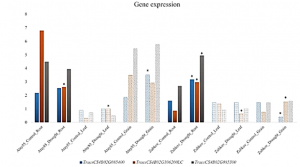
Common wheat (Triticum aestivum L.) is an important winter crop worldwide and a typical allopolyploid with a large and complex genome. With global warming, the environmental volatility and incidence of drought in wheat-producing areas will increase. Molecular markers for drought tolerance are urgently needed to enhance drought tolerance breeding.

The informal meeting of the European Union (EU) agriculture ministers in Cordoba on September 3-5, 2023 focused on the use of new technologies to advance food security, combat climate change, and achieve agricultural sector profitability in the region. The meeting was held in the Palacio de Congresos of the Andalusian city and chaired by Spain's acting Minister for Agriculture and Fisheries, Luis Planas, and was attended by the European Commissioner, Janusz Wojciechowski.

A team of scientists in Beijing have developed a new gene editing tool called CyDENT. The tool is more efficient than CRISPR technology and can be used to edit DNA in mitochondria and chloroplasts. CyDENT is a protein-based tool that does not rely on a guide RNA. Instead, it uses a protein signal to transport the editor inside the cell, bypassing the need for a guide RNA.
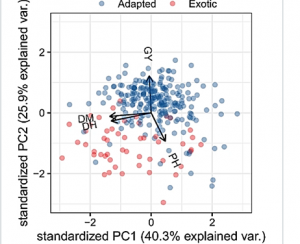
Grain yields in Norwegian spring wheat increased by 18 kg ha−1 per year between 1972 and 2019 due to introduction of new varieties. These gains were associated with increments in the number of grains per spike and extended length of the vegetative period. However, little is known about the genetic background of this progress. To fill this gap, we conducted genome-wide association study on a panel consisting of both adapted (historical and current varieties and lines in the Nordics)
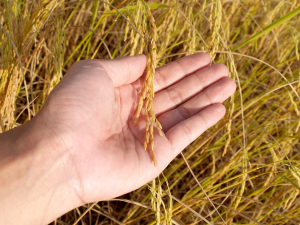
A Canadian startup Alora used CRISPR technology to produce salt-tolerant rice that will allow the crop to grow in the ocean. It is now on trial, and it may help reduce water consumption and methane emissions in agriculture. Rice is an important crop that serves as a staple food for over half of the world's population. However, it is highly sensitive to the salinity of the soil, which can be affected by several factors, such as seawater intrusion and overuse of fertilizers.
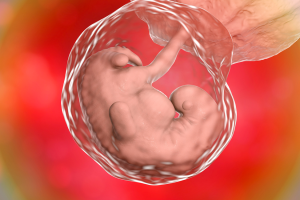
Scientists from Guangzhou Institute of Biomedicine and Health developed a human-like kidney in pigs using engineered human pluripotent cells and injecting them into the genetically engineered embryo of a pig. A total of 1,820 embryos were transferred to 13 surrogate sows and 5 embryos were selected for analysis. It was found that these embryos have functionally normal kidneys for their stage of development.
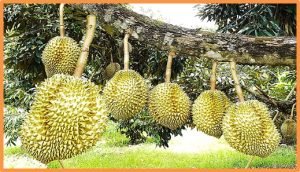
Durian (Durio zibethinus Murr.) fruits are famous for their unique aroma. This study analysed the Durian fruit transcriptome to discover the expression patterns of genes and to understand their regulation. Three developmental stages of Durian fruit, namely, early [90 days post-anthesis (DPA)], mature (120 DPA), and ripen (127 DPA), were studied. The Illumina HiSeq platform was used for sequencing. The sequence data were analysed using four different mapping aligners and statistical methods: CLC Genomic Workbench, HISAT2+DESeq2, Tophat+Cufflinks, and HISAT2+edgeR. The analyses showed that over 110 million clean reads were mapped to the Durian genome, yielding 19,976, 11,394, 17,833, and 24,351 differentially expressed genes during 90-127 days post-anthesis.