


News & Events
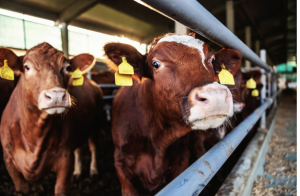
Researchers from Kazakhstan identified genes that can be used to develop vaccines for bovine tuberculosis. The new vector vaccine may serve as an alternative to the currently used BCG vaccine. Bovine Tuberculosis is a respiratory disease that is caused by Mycobacterium bovis (M. bovis). It usually affects cattle but may also affect humans and domestic and wild animals in rare conditions. That's why it's crucial to develop vaccines with high safety and efficiency.

The Food and Agriculture Organization of the United Nations (FAO) led this year's World Food Day celebrations on October 16, 2023, in Rome, Italy. The yearly event commemorates the founding of FAO on the same date in 1945. This year, FAO Director-General QU Dongyu stressed the role of water in addressing world hunger and other global challenges. “Without water, there is no food, and there is no food security without water security,” he emphasized in his opening message
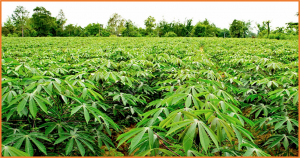
The endophytic nitrogen (N)-fixing bacterium A02 belongs to the genus Curtobacterium (Curtobacterium sp.) and is crucial for the N metabolism of cassava (Manihot esculenta Crantz). We isolated the A02 strain from cassava cultivar SC205 and used the 15N isotope dilution method to study the impacts of A02 on growth and accumulation of N in cassava seedlings. Furthermore, the whole genome was sequenced to determine the N-fixation mechanism of A02.
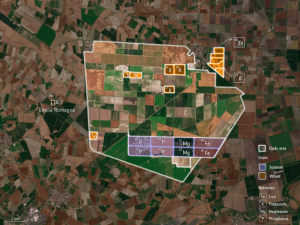
Researchers from the University of Twente in the Netherlands and the National Research Council of Italy found that the Copernicus Sentinel-2 mission and Italian Prisma mission could be used to monitor nutrients in crops from a satellite. The nutritional content of crops is usually measured during the harvesting period. Nowadays, most satellites are not sensitive to crop nutrients. Hence, the researchers conducted a study that looked into the potential use of satellites to predict the nutritional value of staple crops, such as corn, rice, soybean, and wheat.

Trommel fines are usually less than 10mm in size and are a byproduct of construction, demolition, and excavation waste. Dr. Muhammad Ali, Associate Professor in Materials and Environmental Innovation, said trommel fines “consist of small particles of inert and organic materials including soil, crushed rock or concrete, glass, metals, plastics, wood, and insulation materials.”
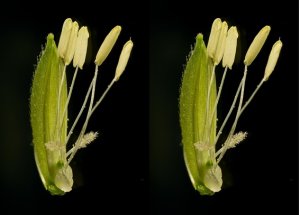
Among the six detected loci, qHT7 harbored the strongest association signal and the most associated SNPs. By comparing the transcriptomes of two representative accessions with contrasting heat tolerance, LOC_Os07g48710 (OsVQ30) was selected as a promising candidate gene in qHT7 due to the significant difference in its expression level between the two accessions. Haplotype 4 (Hap4) of LOC_Os07g48710 was determined as the favorable haplotype for heat tolerance via the gene-based haplotype analysis

Researchers reviewed the impact of gene editing tools to the large animal field. They specifically focused on CRISPR-Cas and its usage on pigs for biomedical applications. The first batch of GM large animals was produced in 1985 to enhance the growth of agricultural livestock. Over the following decades, the genetic engineering of large animals primarily focused on biomedical applications instead of agriculture. In the article, researchers from the Hubei Academy of Agricultural Sciences and the University of Missouri reviewed the effects of gene editing on the livestock industry.

China Agricultural University researchers published a review article on the development and prospect of gene-edited fruits and vegetables in the Food Quality and Safety journal. Gene editing technology offers tools such as CRISPR, TALENs, and ZFNs, which allow precise changes in plant or animal genomes to improve traits. Applications of these tools can lead to increased yields, improved nutritional value, and enhanced stress resistance. The article includes a list of gene-edited fruits and vegetables and the technology.
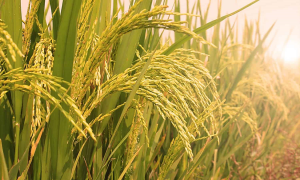
Heat stress (HS) caused by high-temperature weather seriously threatens international food security. Indeed, as an important food crop in the world, the yield and quality of rice are frequently affected by HS. Therefore, clarifying the molecular mechanism of heat tolerance and cultivating heat-tolerant rice varieties is urgent. Here, we summarized the identified quantitative trait loci (Quantitative Trait Loci, QTL) and cloned rice heat tolerance genes in recent years.

Scientists from the University of Edinburgh, Imperial College London, and the Pirbright Institute used gene editing techniques to identify and change parts of chicken DNA that could limit the spread of the bird flu virus in the animals.Using gene editing techniques, the team of scientists bred the chickens and altered the section of DNA responsible for producing the protein ANP32A, a molecule that flu viruses hijack during an infection to help replicate themselves.
On October 12, 2023, the Environment Court in Kenya dismissed the case challenging the importation and cultivation of genetically modified (GM) crops, saying the government had taken appropriate measures to regulate their use in the country. The ruling hands Kenyan farmers a landmark victory as they are now a step closer to cultivating approved climate-resilient Bt maize seeds and disease-resistant cassava in a bid to arrest the country's food insecurity and improve their livelihoods through agriculture.
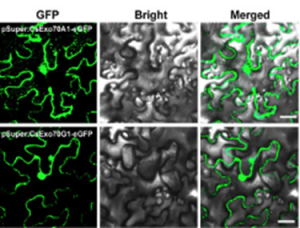
Cucumber (Cucumis sativus L.) is an important vegetable worldwide, but its yield is affected by a wide range of pathogens and pests. As the major subunit of the exocyst complex, the roles of Exo70 members have been shown in Arabidopsis and rice, but their function are unknown in cucumber. Here, we identified 18 CsExo70 members in cucumber, which were divided into three groups (Exo70.1-Exo70.3) and nine subgroups (Exo70A-Exo70I) based on the phylogenetic tree.