


News & Events

Stakeholder and regulator engagement is vital for gene drive research to be successful and helpful to biodiversity conservation, according to Prof. Paul Thomas, Genome Editing Program Director at The University of Adelaide. He mentioned this during the webinar titled Genetic Tools For Conservation and Health: What's The Role of Gene Drives? held on November 16, 2023.
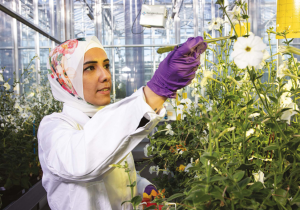
Sara Abdou, a biotechnologist and PhD student at Wageningen University & Research is working on the flower color of petunias. Using tissue samples, Sara analyzes pigments and the genetics behind them, and she is eager to create orange petunias. White petunias exist in nature, but not bright orange and yellow ones. Sara wants to create orange petunias not by introducing a gene from another species, but by fixing the genetic pathway that stops petunias from being naturally orange.
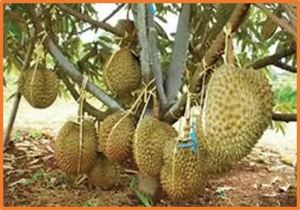
Durian (Durio zibethinus), which yields the fruit known as the "King of Fruits," is an important economic crop in Southeast Asia. Several durian cultivars have been developed in this region. In this study, we resequenced the genomes of three popular durian cultivars in Thailand, including Kradumthong (KD), Monthong (MT), and Puangmanee (PM) to investigate genetic diversities of cultivated durians.

Breakthrough Institute and the Alliance for Science released a report about the economic costs of regulating new genomic techniques in the European Union. The report, titled The €3 Trillion Cost of Saying No: How the EU Risks Falling Behind in the Bioeconomy Revolution, presents that the EU's policies are not up-to-date, classifying gene-edited crops as genetically modified organisms, which is governed by a 2001 regulatory framework.

The analysis is based on three data sets: (1) available literature on variables that are vital to non-expert publics in governing biotech products; (2) USDA-funded project results that surveyed stakeholders with subject matter expertise about their attitudes towards important risks, benefits, sustainability, and societal impact parameters for assessing novel agri-food technologies, including biotech
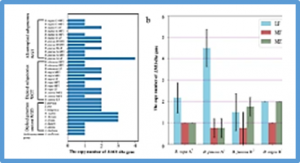
RCO regulates the formation of lobed leaves in Brassicaceae species. RCO originated from the duplication of LMI1-type sequences and evolved through gene duplication and loss within the Brassicaceae. However, the evolutionary process and diversification of RCO in different lineages of Brassicaceae remain unclear. Although the RCO locus in B. juncea has been associated with lobed-leaf formation, its complexity has remained largely unknown.

The European Commission's (EC) proposal for new genomic techniques (NGTs) sparked a number of discussions on the European Union's (EU) Farm to Fork and Biodiversity strategies. In the recent event “New Genomic Techniques – What Lies Ahead?” organized by Euractiv, a panel featured key representatives from the Commission and various EU stakeholders, shedding light on potential policy advancements for the uptake of NGTs in Europe.
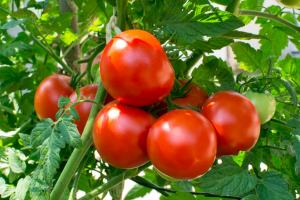
Researchers used CRISPR-CAS9 to produce early flowering mutants of tomatoes. The mutations did not have an adverse effect on the yield. Flowering time is essential in agriculture because the timing and amount of flowering affect the yield and availability of seeds, fruits, and flowers. By identifying the genes that regulate flowering time, tomato breeding will be easier and simpler.

The color of purple carrot taproots mainly depends on the anthocyanins sequestered in the vacuoles. Glutathione S-transferases (GSTs) are key enzymes involved in anthocyanin transport. However, the precise mechanism of anthocyanin transport from the cytosolic surface of the endoplasmic reticulum (ER) to the vacuoles in carrots remains unclear. In this study, we conducted a comprehensive analysis of the carrot genome, leading to the identification of a total of 41 DcGST genes.

Researchers developed a solid purple carrot cultivar, ‘Deep Purple' (‘DPP'), with orange taproots by successfully knocking out DcGST1, a gene strongly linked to anthocyanin pigmentation in carrot taproots. Anthocyanins are pigments that may appear red, purple, blue, or black depending on the pH level. The color of purple carrot taproots is highly dependent on the anthocyanins. Through the CRISPR-Cas9 gene editing technique, the researchers produced a purple carrot cultivar with orange taproots.

2Blades has given a non-exclusive license to biotechnology company NAPIGEN for access to its Transcription Activator Like (TALEN) technology for applications in organellar genome editing. The editing of plant mitochondrial and chloroplast genomes opens new opportunities for altering traits in crop plants that have not yet been easily targeted by conventional methods with significant implications for improved crop nutrition, growth, and yield.
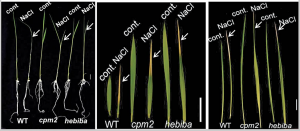
Plant responses to salt exposure involve large reconfigurations of hormonal pathways that orchestrate physiological changes towards tolerance. Jasmonate (JA) hormones are essential to withstand biotic and abiotic assaults, but their roles in salt tolerance remain unclear. Here we describe the dynamics of JA metabolism and signaling in root and leaf tissue of rice, a plant species that is highly exposed and sensitive to salt