


News & Events
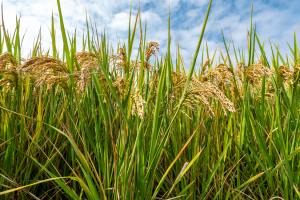
Bacterial blight (BB) and bacterial leaf streak (BLS) are two of the most devastating diseases of rice worldwide. These diseases can cause significant yield losses and make it difficult for farmers to grow rice. Researchers from the Chinese Academy of Agricultural Sciences and partners reported a strategy to protect rice from BB and BLS. Their findings are published in the Plant Biotechnology Journal.
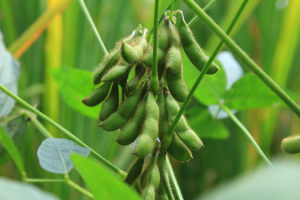
Soybean farmers worldwide are losing billions of dollars each year to soybean cyst nematodes (SCNs), tiny worms that attack the roots of soybeans. Scientists from the University of Missouri and the University of Georgia have discovered a gene called GmSNAP02, which can protect soybeans from these pests. Their findings are published in Nature Communications.
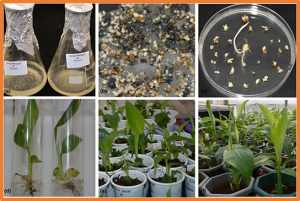
Nodulins and nodulin-like proteins play an essential role in the symbiotic associations between legumes and Rhizobium bacteria. Their role extends beyond the leguminous species, as numerous nodulin-like proteins, including early nodulin-like proteins (ENODL), have been identified in various non-leguminous plants, implying their involvement in functions beyond nodulation, such as nutrient transport and growth modulation.
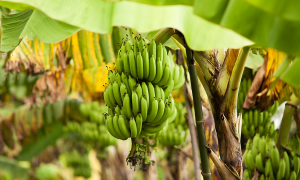
A recent study published in the Plant Biotechnology Journal shows improvement in bananas' resistance to Xanthomonas wilt disease by knocking out the MusaENODL3 gene. According to the researchers, this is the first study to show the potential of the ENODL gene in developing disease-resistant plants.
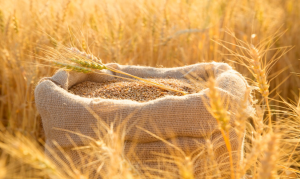
Researchers used CRISPR to edit gluten-encoding genes of wheat to reduce immunoreactivity. The modification did not affect the quality of the grain protein. Wheat immunotoxicity is linked to an aberrant response to gluten-derived peptides. Breeding and biotechnology were utilized to minimize immunotoxicity, but they affected the dough quality. That's why the researchers decided to try using CRISPR-Cas9 to address this issue.
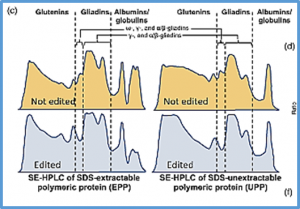
Wheat immunotoxicity is associated with abnormal reaction to gluten-derived peptides. Attempts to reduce immunotoxicity using breeding and biotechnology often affect dough quality. Here, the multiplexed CRISPR-Cas9 editing of cultivar Fielder was used to modify gluten-encoding genes, specifically focusing on ω- and γ-gliadin gene copies, which were identified to be abundant in immunoreactive peptides based on the analysis of wheat genomes assembled using the long-read sequencing technologies
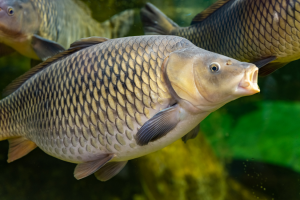
CRISPR-Cas9 gene-editing tool has solved several problems in the agriculture sector. The same potential for addressing aquaculture problems is being attributed to CRISPR-Cas9, especially because of its cost-effectiveness, ease of designing and delivering the construct, and minimal off-target modifications. Researchers from Central Agricultural University, together with partners in India, explored the current applications of CRISPR-Cas9 in fish and published it as a chapter in Biotechnological Tools in Fisheries and Aquatic Health Management.

Researchers from the USA identified over 200 functional systems related to CRISPR using a newly developed algorithm. This approach demonstrates various applications in biotechnology and medicine. Systematic mining of sequencing databases can be used to discover many functional systems and protein families. However, the current techniques for sequence mining are not keeping up with the growing databases that contain billions of proteins. This issue limits the identification of rare protein families and associations.
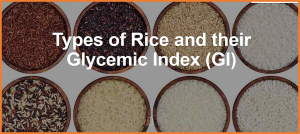
Rice is generally considered a high-glycemic index (GI) food, but numerous studies show that parboiling reduces the GI. There are no studies on GI of Indica and Japonica subspecies parboiled rice grown in Italy. The aim of this study was (1) to evaluate GI in different varieties of parboiled rice (ribe, white and brown long B, basmati, black, red, roma, and arborio); (2) to evaluate GI of same variety of rice subjected to different rice parboiling processes (parboiled ribe and parboiled long B with two different methods: flora and conventional method);

“Sixty years ago, the objective was to highlight the rapidly growing importance of internationally accepted food standards as a means of protecting consumers and producers globally and to reduce trade barriers effectively – these objectives are still very relevant today,” said QU Dongyu, Food and Agriculture Organization of the United Nations (FAO) Director-General, during the opening ceremony of The Codex Alimentarius Commission's 60th anniversary and annual meeting.
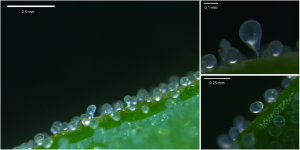
Researchers from the University of Copenhagen have punctured the 100-year-old theory of odd little 'water balloons' called bladder cells that cover extremely resilient plants such as quinoa. Researchers believed that the balloon-like bladders were protecting them from drought and salt, but research has revealed this is not the case. For 127 years, even the brightest minds in plant biology believed that the fluid-filled bladders covering the leaves, clustered flowers, and stems of a range of hardy plants were a salt dump that stored water.

Brassica napus is one of the most important oil crops in the world, and enhancing seed oil content is an important goal in its genetic improvement. However, the underlying genetic basis for the important trait remains poorly understood in this crop. We previously identified a major locus, OILA5 responsible for seed oil content on chromosome A5 through genome-wide association study. To better understand the genetics of the QTL, we performed fine mapping of OILA5 with a double haploid population and a BC3F2 segregation population consisting of 6227 individuals.