


News & Events

Scientists boost the glucose control of patients with type 1 diabetes by implanting encapsulated stem cell-derived cells. The procedure will minimize insulin intake and benefit the health of many patients. Type 1 diabetes (T1D) is a chronic disease that stops the pancreas from creating insulin. Patients with this condition would need a regular dose of insulin to prevent other health complications. A potential alternative to insulin is β cell replacement, which was used by scientists in this first-in-human trial of T1D patients
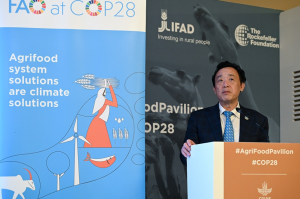
FAO Director-General QU Dongyu led a delegation to the first high-level segment of COP28 in Dubai, UAE, highlighting the critical role of agrifood systems in addressing climate change. During the World Climate Action Summit, which was attended by food and agriculture leaders, Qu advocated for global agrifood systems as essential for climate solutions, emphasizing their role in achieving sustainable development goals and addressing food security challenges.

Sheath blight (ShB), caused by Rhizoctonia solani kühn, is one of the most serious global rice diseases. Rice resistance to ShB is a typical of quantitative trait controlled by multiple quantitative trait loci (QTLs). Many QTLs for ShB resistance have been reported while only few of them were fine-mapped. In this study, we identified a QTL on chromosome 12, in which the qSB12YSB resistant allele shows significant ShB resistance,
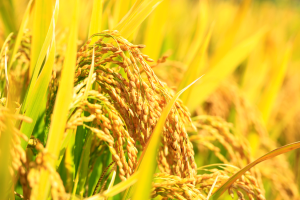
A study published in New Phytologist shows that the knockout of sugar transporter OsSTP15 promotes tillering by increasing the sugar content in the shoot base of rice. This is highly beneficial for farmers in improving their yield. Sugar transporter proteins (STPs) play a vital role in sugar transport, which may also contribute to the environmental stress responses in plants.
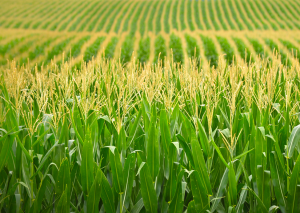
Scientists have settled that maize was domesticated about 9,000 years ago in the lowlands of Mexico from a subspecies of teosinte called parviglumis. In a paper published in Science, a team of geneticists reported that maize has a second wild ancestor, a highland subspecies of teosinte called mexicana.

Sugar transporter proteins (STPs) play critical roles in regulating plant stress tolerance, growth, and development. However, the role of STPs in regulating crop yield is poorly understood. This study elucidates the mechanism by which knockout of the sugar transporter OsSTP15 enhances grain yield via increasing the tiller number in rice. We found that OsSTP15 is specifically expressed in the shoot base and vascular bundle sheath of seedlings and encodes a plasma membrane-localized high-affinity glucose efflux transporter
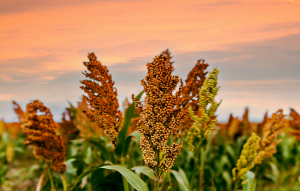
Bioscientists from Joint BioEnergy Institute developed strains of sorghum that can grow tall, strong, and healthy with very little water. This highly benefits farmers in producing large quantities of crops with minimal costs. According to the researchers, sorghum does not have the best ability to regenerate in the plant tissue culture. Genes from wheat have been found to allow regeneration in wheat.
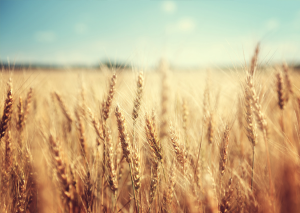
The Australian Office of the Gene Technology Regulator (OGTR) has received a license application (DIR 201) from The University of Adelaide to conduct a field trial of genetically modified (GM) wheat and barley with yield enhancement. The trial is proposed to take place between May 2024 and January 2029, on one site with a maximum area of 2 hectares per year.
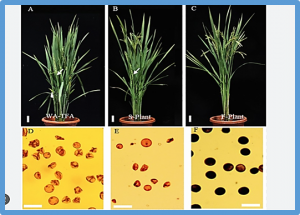
Three-line hybrid rice has primarily been developed on wild abortive (WA)-type cytoplasmic male sterility (CMS) and has helped increase the yield of rice globally. The development of WA-type CMS lines and hybrids was expedited through the identification and mapping of the fertility restorer gene (Rf) in maintainers. This study observed fertile plants in WA-TianfengA/Zhenshan97B//TianfengB population, indicating that the maintainer line ‘Zhenshan97B’ should carry Rfs for WA-type CMS.
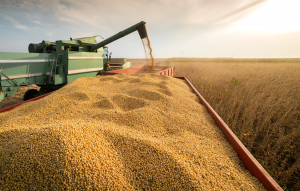
As China granted approvals for several varieties of GM maize and soybean, market experts expect a boost in yields, to impact the food market since both are staples and widely used as sources of edible oils and animal feed. The approvals include 37 GM maize and 14 GM soybean varieties in October. According to Kaiyuan Securities, GM maize and soybeans are projected to build a new market share of 7 billion yuan (US$988.4 million) within eight years.
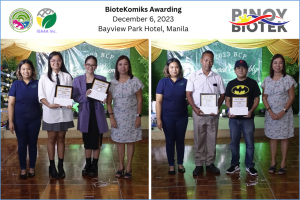
BioteKomiks is a comic strip-making contest that focuses on the impact of Pinoy Biotek in the perspective of Filipino artists. It was organized by ISAAA Inc., in partnership with the Philippine Agriculture and Fisheries Biotech Program (DA Biotech). The awarding of winners was conducted on December 6, 2023, at Bayview Hotel, Manila, as a part of the Christmas event of the Biotechnology Coalition of the Philippines.

Rice is one of the most important staple plant foods that provide a major source of calories and nutrients for tackling the global hunger index especially in developing countries. In terms of nutritional profile, pigmented rice grains are favoured for their nutritional and health benefits. The pigmented rice varieties are rich sources of flavonoids, anthocyanin and proanthocyanidin that can be readily incorporated into diets to help address various lifestyle diseases. However, the cultivation of pigmented rice is limited due to low productivity and unfavourable cooking qualities.