


News & Events

"The state of food systems worldwide in the countdown to 2030", published today by The Food Systems Countdown to 2030 Initiative (FSCI), provides the first science-based monitoring to guide decision-makers as they seek wholesale transformation of the global agriculture and food systems. This transformation is needed urgently both to reduce the environmental impact of these systems and to mitigate the impact of climate change on them.

Scientists from the Integral University and partners identified lead-resistant bacteria from the Gomati River in India. These bacteria can help with bioremediation of areas with heavy metals. Lead is a toxic heavy metal that can affect human health and the environment. To help with the remediation of sites with heavy metals, the researchers studied lead-resistant bacterial strains collected from the Gomati River.
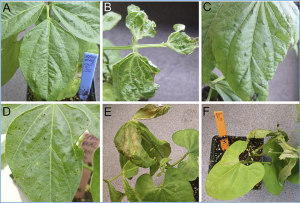
Bean pod mottle virus (BPMV) is a comovirus that infects common bean and legumes in general. BPMV is distributed throughout the world and is a major threat on soybean, a closely related species of common bean. In common bean, BAT93 was reported to carry the R-BPMV resistance gene conferring resistance to BPMV and linked with the I resistance gene. To fine map R-BPMV, 182 recombinant inbred lines (RILs) derived from the cross BAT93 × JaloEEP558 were genotyped

A scientific paper reviews the latest advancements in Amphotericin-B's new formulations. These advances will help with the treatment of human infections. Amphotericin-B (Am-B) is a well-known therapeutic drug for various human infections, such as fungal and parasitic pathogens. However, Am-B's new formulations have caused certain issues in their clinical application. That's why proper scientific design is necessary to produce safe and effective delivery systems.
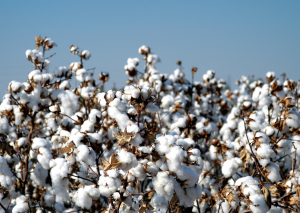
Australia's Office of the Gene Technology Regulator (OGTR) has received license application DIR 203 from Monsanto Australia to conduct a field trial of genetically modified (GM) cotton with herbicide tolerance and insect resistance. The field trial is proposed to take place between September 2024 and September 2029, on a maximum of 25 sites per year with a maximum area of 100 hectares per year. The trial sites are proposed to be located in Victoria, New South Wales, Queensland, Western Australia, and the Northern Territory.
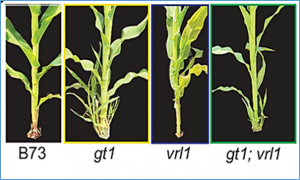
Crop engineering and de novo domestication using gene editing are new frontiers in agriculture. However, outside of well-studied crops and model systems, prioritizing engineering targets remains challenging. Evolution can guide us, revealing genes with deeply conserved roles that have repeatedly been selected in the evolution of plant form. Homologs of the transcription factor genes GRASSY TILLERS1 (GT1) and SIX-ROWED SPIKE1 (VRS1) have repeatedly been targets of selection in domestication and evolution

A study published in Advanced Science describes a CRISPR-Cas9-mediated high-throughput mutant library used to identify insect-resistance genes in cotton. This highly efficient method provides substantial insights into the genetic engineering of insect resistance in cotton. Insect infestation poses a significant threat to the production of cotton. To address this, researchers have developed a large-scale mutagenesis library to help understand functional genomics research in cotton.
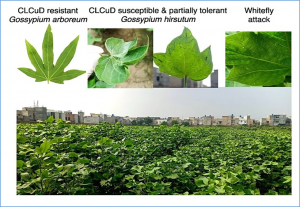
Previous breeding strategies were ineffective in combating the disease, which led the scientists to shift to other means that involve exploring the microbiome to modulate plant defense mechanisms against CLCuD. The cotton microbiome of CLCuD-resistant varieties may harbor a multitude of bacterial genera that significantly contribute to disease resistance and provide information on metabolic pathways that differ between the susceptible and resistant varieties.
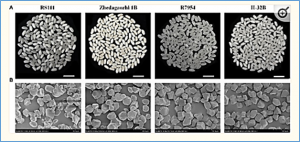
The content of resistant starch (RS) was considered positively correlated with the apparent amylose content (AAC). Here, we analyzed two Indica rice mutants, RS111 and Zhedagaozhi 1B, similar in high AAC and found that their RS content differed remarkably. RS111 had higher RS3 content but lower RS2 content than Zhedagaozhi 1B; correspondingly, cooked RS111 showed slower digestibility. RS111 had smaller irregular and oval starch granules when compared with Zhedagaozhi 1B and the wild type.

Awareness-building activities have been the cornerstone of knowledge-sharing and capacity-building initiatives of various organizations in the country. These activities aim to promote an enabling environment for biotechnological innovations. As part of the ongoing efforts to promote biotech, ISAAA Inc. collaborated with the Biotechnology Coalition of the Philippines (BCP) to organize a webinar series about gene editing and gene drive.
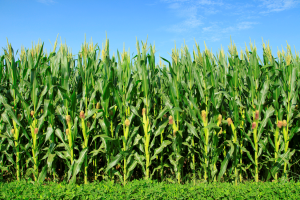
A study published in the Plant Biotechnology Journal shows that the knockout of ZmPRR37-CR resulted in the early flowering of maize. The study also found that the ZmPRR37 gene can potentially enhance salt stress tolerance in maize. Flowering is a crucial stage in plant reproductive development. However, it can be affected by various environmental factors, which can either delay or accelerate the flowering of plants. As a short-day plant, flowering of maize in long-day environments has been challenging.
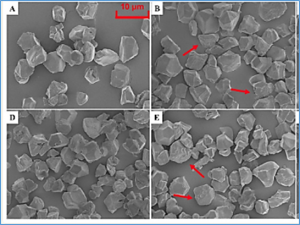
The quality and starch properties of rice are significantly affected by nitrogen. The effect of the nitrogen application rate (0, 180, and 230 kg ha-1) on the texture of cooked rice and the hierarchical structure and physicochemical properties of starch was investigated over two years using two japonica cultivars, Bengal and Shendao505. Nitrogen application contributed to the hardness and stickiness of cooked rice, reducing the texture quality.