


News & Events
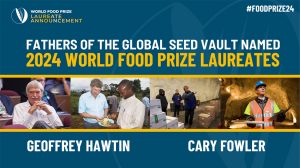
Two scientists, Dr. Geoffrey Hawtin OBE, Founding Director and Executive Board member at the Global Crop Diversity Trust, and Dr. Cary Fowler, currently the U.S. Special Envoy for Global Food Security, have been named the 2024 World Food Prize Laureates. They were chosen by the World Food Prize Laureate Selection Committee for their longstanding contribution to seed conservation and crop biodiversity. The two men played key roles in establishing the Svalbard Global Seed Vault, which today holds 1.25 million seed samples of more than 6,000 plant species in an underground facility in the Arctic Circle.

Scientists have discovered the role of miR169 in regulating the development and stress responses of perennial grasses. Their findings may help develop crop varieties with desired traits in the agricultural industry. MicroRNAs (miRNAs) have a crucial role in plant-environment interactions by changing gene expression profiles to enhance environmental adaptations. MicroRNA169 (miRNA169) has been suggested to play a part in the multi-stress regulation of annual species, such as rice and maize.
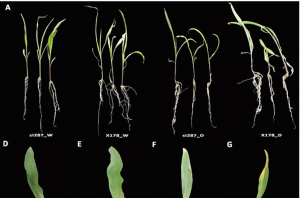
In this study, we subjected the 3-leaf-period plants of two maize inbred lines, a drought-tolerant line (si287) and a drought-sensitive line (X178), to drought stress for seven days while growing in a chamber. Subsequently, we measured physiological traits and analyzed transcriptomic and metabolic profiles of two inbred lines. Our KEGG analysis of genes and metabolites revealed significant differences in pathways related to glycolysis/gluconeogenesis, flavonoid biosynthesis, starch and sucrose metabolism, and biosynthesis of amino acids.
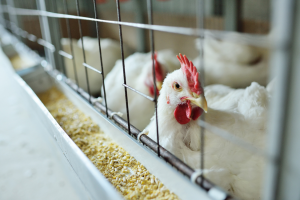
Research published in Food and Chemical Toxicology shows that feeding rat and broiler chickens with grains derived from genetically modified (GM) crops shows no adverse effects on their health and performance. The results of this study support the current literature suggesting the safe use of GM crops in feeding animals.The 90-day rat feeding study was conducted in accordance with the test guidelines of the Organisation for Economic Co-operation and Development (OECD) and the European Food Safety Authority (EFSA).

MMUST Vice Chancellor Prof. Charles Mutai lauded the program's uniqueness and its potential to address the critical shortage of qualified professionals in biosafety and biosecurity within the country. Echoing these sentiments, Prof. Judah Ndiku, a distinguished figure within the university, emphasized the program's pivotal role in cultivating autonomous professionals equipped to navigate the complex landscape of biosafety and biosecurity. With global challenges on the rise
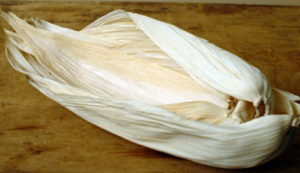
As a by-product of maize production, maize husk is an important industrial raw material. Husk layer number (HN) is an important trait that affects the yield of maize husk. However, the genetic mechanism underlying HN remains unclear. Herein, a total of 13 quantitative trait loci (QTL) controlling HN were identified in an IBM Syn 10 DH population across different locations. Among these, three QTL were individually repeatedly detected in at least two environments

ASCA7 targets to equip Asian scientists, regulators, and other stakeholders with the knowledge and skills to navigate the complexities of agri-biotech. The program focuses on three key areas: agri-biotech applications, policy environment, and biotech communication. This comprehensive approach empowers participants to contribute towards implementation of science-based regulations that support the commercialization and trade of agri-biotech products.
Gene editing is an emerging modern biotechnology technique that significantly influences farming systems, resulting in high-yielding farm inputs. However, regulatory burdens create barriers to the development and adoption of such technologies. In a paper written by Graham Brookes and Stuart J. Smyth, a risk-appropriate and evidence-based regulatory environment is examined for facilitating the adoption of gene editing technology.
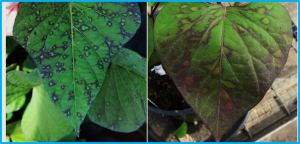
Sweet potato (Ipomoea batatas [L.] Lam.) is a versatile crop, cultivated in the subtropical and tropical areas, as food, fodder, and industrial raw material crop. In China, sweet potato has been used as a health-care food in recent years, as it contains a wide range of nutrients and xenobiotic phytochemicals. However, viral diseases are major constraint for the sweet potato yield and quality, especially the seed production and quality.

The policy forum informed Philippine policymakers on how biotech products are developed for commercialization in an adopting country and the Philippines. It also aimed to discuss strategies on how biotech products developed in the Philippines could be commercialized systematically and efficiently. The event was attended by about 100 participants composed of Congressmen and their staff, via Zoom, boosting the awareness of the policymakers on the regulatory path of the technologies.
In response to U.S. President Joseph Biden's Executive Order 14081, “Advancing Biotechnology and Biomanufacturing Innovation for a Sustainable, Safe, and Secure American Bioeconomy,” the U.S. Environmental Protection Agency (EPA), U.S. Food and Drug Administration (FDA), and U.S. Department of Agriculture (USDA) developed a plan to update, streamline and clarify their regulations and oversight mechanisms for products of biotechnology.
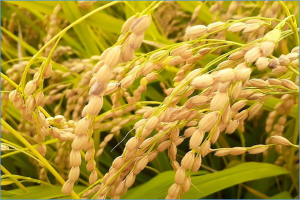
This study examined how silicon and zinc fertilizers affect the quality and aroma of Nanjing 46. We applied nine different fertilizer treatments, one involving soil topdressing at the top fourth leaf-age stage and one involving foliar spraying during the booting stage of the silicon and zinc fertilizers. We tested the effects of the nine treatments on grain quality and aroma.