


News & Events
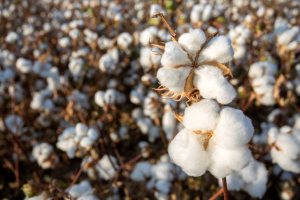
Developments in modern biotechnology pave the way for more precise and efficient methods of genetic engineering. With the emergence of tools such as CRISPR, it is vital to understand the progression of these applications to highlight areas where further research is needed. The study, published in the Journal of Scientific Research and Reports, provides a comprehensive review of the global research landscape in genetic modification.

The International Service for the Acquisition of Agri-biotech Applications, Inc. (ISAAA Inc.) and the Malaysian Biotechnology Information Centre (MABIC) extend the early bird registrations for the 7th Asian Short Course on Agribiotechnology, Biosafety Regulation, and Communication (ASCA7) until July 22, 2024. This intensive 5-day program, to be held on September 2-6, 2024 at the Maruay Garden Hotel in Bangkok, Thailand, is co-hosted by Thailand's Department of Agriculture and Biotechnology Alliance Association.
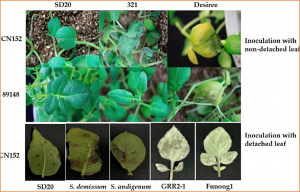
Late blight caused by the oomycete fungus Phytophthora infestans (Pi) is the most serious obstacle to potato (Solanum tuberosum) production in the world. A super race isolate, CN152, which was identified from Sichuan Province, China, could overcome nearly all known late blight resistance genes and caused serious damage in China. The potato genotype SD20 was verified to be highly resistant to CN152; however, the molecular regulation network underlying late blight resistance pathway remains unclear in SD20. Here, we performed a time-course experiment to systematically profile the late blight resistance response genes using RNA-sequencing in SD20.

IRRI, in collaboration with BRRI and funded by BMZ, has developed heat-tolerant rice varieties to address the severe impact of rising temperatures on rice production in Bangladesh. Climate change, characterized by rising temperatures and increased frequency of extreme weather events, significantly impacts rice production and yields. High night temperatures disrupt the grain-filling process in rice plants, leading to reduced yields and lower grain quality. In Bangladesh, this results in substantial annual losses in rice production, threatening food security and farmer livelihoods.
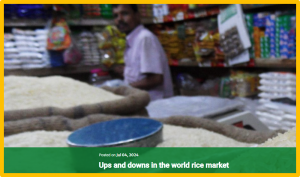
The world rice market has seen ups and downs during the first few years of this decade. While world wheat and maize prices were on the upswing, more than doubling from August 2020 to May 2022 in the wake of the war in Ukraine, world rice prices were more stable. The Food and Agriculture Organization (FAO) indica rice price index in August 2022 was only 4% above its level in January 2020, the beginning of the COVID-19 pandemic. However, international rice prices have risen substantially since August 2022, with the FAO indica rice price index increasing by 45% between that time and its peak in January 2024.
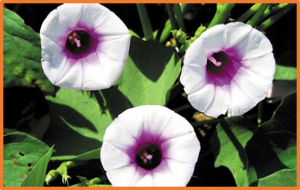
In this study, we successfully identified and categorized 95 CYP450 genes from the sweet potato genome into 5 families and 31 subfamilies. The predicted subcellular localization results indicate that CYP450s are distributed in the cell membrane system. The promoter region of the IbCYP450 genes contains various cis-acting elements related to plant hormones and stress responses. In addition, ten conserved motifs (Motif1-Motif10) have been identified in the IbCYP450 family proteins, with 5 genes lacking introns and only one exon. We observed extensive duplication events within the CYP450 gene family, which may account for its expansion.
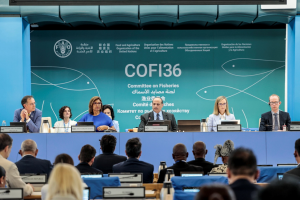
The 36th Session of the Committee on Fisheries (COFI36) began today at the headquarters of the Food and Agriculture Organization of the United Nations (FAO) in Rome. The Committee on Fisheries (COFI) is the largest global gathering of policymakers, experts and partners in the fisheries and aquaculture sector. This week’s (8-12 July) COFI36 meeting will focus on the vital role of fisheries and aquaculture in tackling food insecurity, malnutrition, and poverty, stressing their ability to alleviate hunger, drive sustainable growth, and reverse environmental degradation.
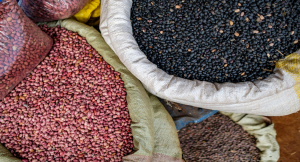
An initiative to build resilient agrifood systems grounded in diverse, nutritious, and climate-adapted crops grown in healthy soils, today marked another milestone through a new partnership between the Food and Agriculture Organization of the United Nations (FAO) and CIMMYT, a CGIAR Research Center. FAO and CIMMYT signed a Memorandum of Understanding establishing a Partnership for the Vision for Adapted Crops and Soils (VACS) initiative. The joint Partnership will play a pivotal role leading efforts to coordinate, grow, and strengthen the VACS movement across a wide range of public and private stakeholders.
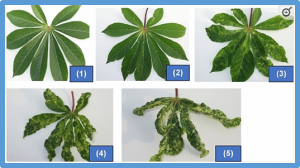
Cassava mosaic disease (CMD) is a serious threat to cassava production in sub-Saharan Africa. The use of genomic-assisted selection at the seedling trial stage would help to reduce the time for release, breeding cost, and resources used, hence increase selection efficiency in cassava breeding programs. Five cassava populations were screened for resistance to CMD during the seedling evaluation trial at 1, 3, and 5 months after planting using a scale of 1-5.
New projections highlight potential climate risks to exploitable fish biomass for nearly all regions of the world's ocean, including top producer countries and those with high reliance on aquatic foods, according to a report released today by the Food and Agriculture Organization of the United Nations (FAO). Global projections of exploitable fish biomass show declines of more than 10 percent, particularly under the high-emissions scenario, by mid-century for many regions of the world,
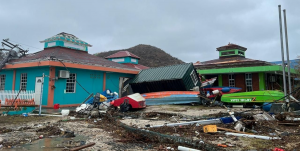
The Food and Agriculture Organization of the United Nations (FAO), as part of the United Nations Emergency Technical Teams (UNETT), is deployed in the areas affected by Hurricane Beryl in the Caribbean to advance rapid needs assessment and preparation of proposals, under the leadership of the Caribbean Disaster Emergency Management Agency (CDEMA), to restore production and livelihoods.
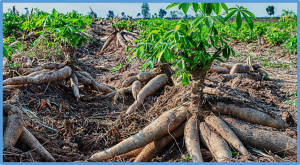
Genome annotation files play a critical role in dictating the quality of downstream analyses by providing essential predictions for gene positions and structures. These files are pivotal in decoding the complex information encoded within DNA sequences. Here, we generated experimental data resolving RNA 5'- and 3'-ends as well as full-length RNAs for cassava TME12 sticklings in ambient temperature and cold.