


News & Events

The International Service for the Acquisition of Agri-biotech Applications, Inc. (ISAAA Inc.) and the Malaysian Biotechnology Information Centre (MABIC) invite agribiotechnology stakeholders to join the 7th Asian Short Course on Agribiotechnology, Biosafety Regulation, and Communication (ASCA7). This intensive 5-day program, to be held on September 2-6, 2024 at Maruay Garden Hotel in Bangkok, Thailand, is co-hosted by Thailand's Department of Agriculture and Biotechnology Alliance Association.

Cassava (Manihot esculenta) is one of the most important sources of dietary calories in the tropics, playing a central role in food and economic security for smallholder farmers. Cassava production is highly constrained by several pests and diseases, mostly cassava mosaic disease (CMD) and cassava brown streak disease (CBSD). These diseases cause significant yield losses, affecting food security and the livelihoods of smallholder farmers

Researchers from Shandong Agricultural University in China used gene editing techniques to modify the fatty acid-derived volatile content and salt stress tolerance of apples. The results of the study, published in Horticulture Research, provide significant insights into improving the fruit aroma quality of crops under salt stress conditions.
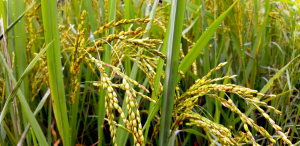
Researchers from the Rice Research Institute of Guangxi Academy of Agricultural Sciences in China reported the successful gene editing of grain size genes improves three-line hybrid rice parents to increase the appearance quality and yield of hybrid rice. Their findings are published in Theoretical and Applied Genetics journal.
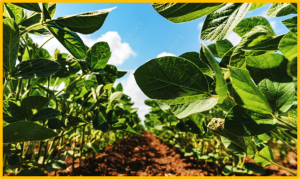
An unexpected reddish-purple pigmentation in upper canopy leaves was discovered during the late reproductive stages in soybean (Glycine max L.) genotypes. Two sensitive genotypes, ‘Uram’ and PI 96983, exhibited anomalous canopy leaf pigmentation changes (CLPC), while ‘Daepung’ did not. The objectives of this study were to: (i) characterize the physiological features of pigmented canopy leaves compared with non-pigmented leaves

A report published by InsightAce Analytic Pvt.Ltd forecasts a 5.40% growth of the textured vegetable protein (TVP) market from 2024 to 2031. The market is expected to reach a revenue of over $1,334.99 million by 2031.Textured vegetable proteins (TVP) are derived from plant-based sources, such as soy, wheat, and peas. Recently, they are becoming more popular as versatile meat alternatives in various food products. As the demand for TVP increases, the market is expected to grow over the next few years.
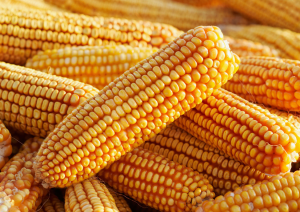
The European Food Safety Authority (EFSA) GMO Panel has released its Scientific Opinion on the safety of genetically modified (GM) insect resistant and herbicide tolerant maize DP910521, for import, processing, and food and feed uses within the European Union (EU) and does not include cultivation.
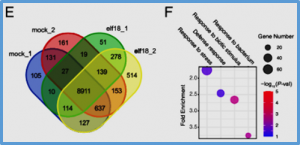
Plants employ distinct mechanisms to respond to environmental changes. Modification of mRNA by N 6-methyladenosine (m6A), known to affect the fate of mRNA, may be one such mechanism to reprogram mRNA processing and translatability upon stress. However, it is difficult to distinguish a direct role from a pleiotropic effect for this modification due to its prevalence in RNA.
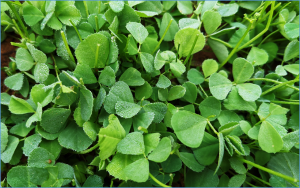
Researchers at the University of Cambridge have revealed in a new study that the plant hormone gibberellin (GA) is essential for the formation and maturation of nitrogen-fixing root nodules in legumes and can also increase nodule size. In the research results published in The Plant Cell, Dr. Alexander Jones' research group at the Sainsbury Laboratory Cambridge University (SLCU) and Professor Giles Oldroyd's group at the Crop Science Centre have made a major step by revealing the GA dynamics that govern the development, morphology and function of nitrogen-fixing root nodules.
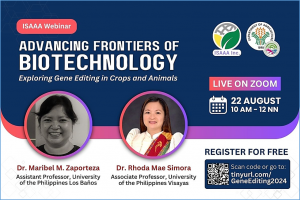
The webinar is part of the webinar series on an array of topics about new and emerging technologies in agri-biotechnology in the global and Philippine context. This is the first webinar in the series and will provide an overview of gene editing applications and opportunities in crops and animals. This webinar will feature Dr. Maribel M. Zaporteza, Assistant Professor at the University of the Philippines Los Baños, and Dr. Rhoda Mae Simora, Associate Professor at the University of the Philippines Visayas.
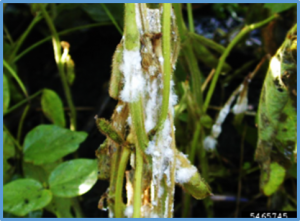
Sclerotinia stem rot (SSR), caused by the fungal pathogen Sclerotinia sclerotiorum, is one of the most important diseases leading to significant soybean yield losses in Canada and worldwide. Developing soybean cultivars that are genetically resistant to the disease is the most inexpensive and reliable method to control the disease. However, breeding for resistance is hampered by the highly complex nature of genetic resistance to SSR in soybean.

Scientists at the University of Maryland used gene editing to develop poplar trees that can be used to produce high-performance, structural wood. The gene-edited trees can also be used for carbon storage to minimize carbon emissions. The production of engineered wood requires the usage of volatile chemicals and huge amounts of energy. These factors can negatively affect people's health and damage the environment. Thus, an alternative method is necessary to avoid these issues.