


News & Events
News & Events
Identification of candidate genes for deep-sowing tolerance in rice by genome-wide association study and transcriptome sequencing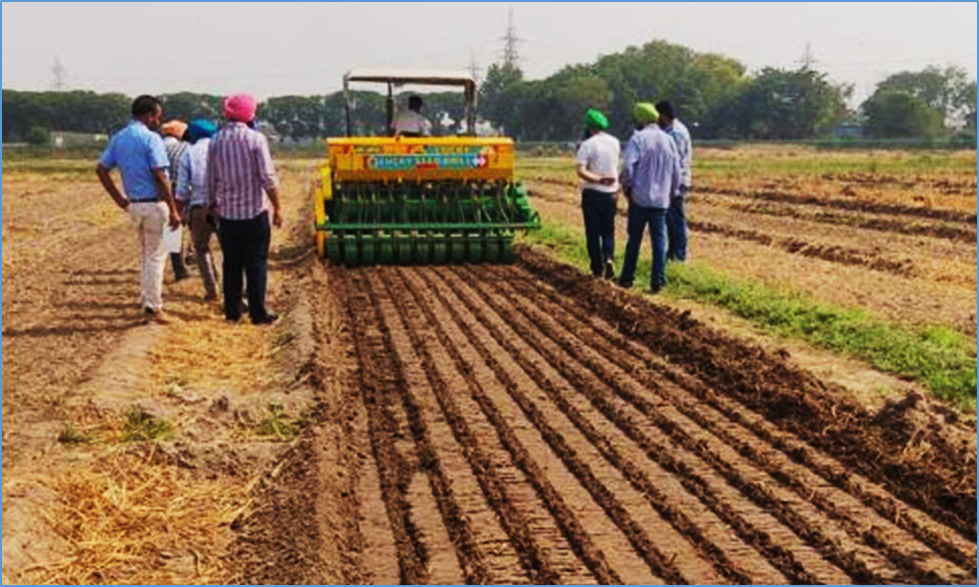
Tuesday, 05/05/2026 | 08:21:12
Direct-seeded rice is of great significance for ensuring food security. The hypoxic conditions under deep sowing impose significant abiotic stress to severely inhibit seed germination and seedling emergence in direct-seeded rice. Improvement of rice tolerance to deep-sowing germination stress is critical for promoting the seedling and grain yield of direct-seeded rice. In this study, we employed 276 rice germplasms to investigate the hypoxic germination (HG)-related traits through genome-wide association study (GWAS).
University of Missouri Develops New Gene Editing Method for Chickens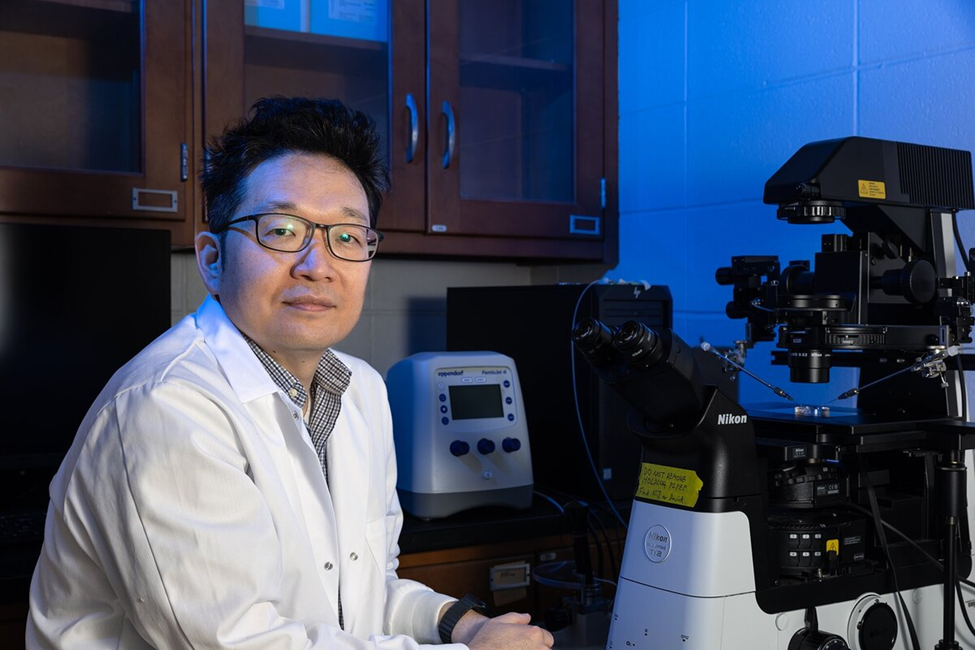
Tuesday, 05/05/2026 | 08:20:18
Researchers at the University of Missouri have developed a new gene editing approach that could enable chickens to produce useful medical proteins in their eggs. The study addresses a long-standing challenge in avian genetics known as epigenetic silencing, where inserted genes gradually turn off over time. The research team aims to overcome this issue by creating stable lines of genetically engineered chickens for medical and agricultural use.
Hunger intensifies in South Sudan as 7.8 million people face high acute food insecurity and 2.2 million children suffer acute malnutrition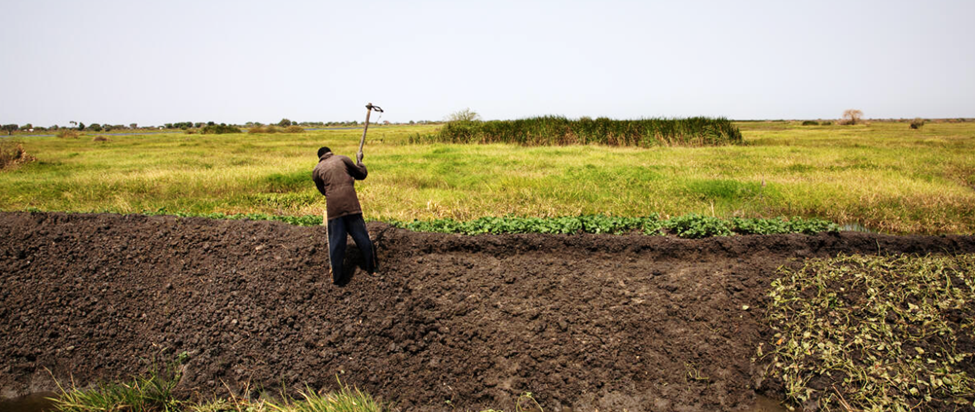
Tuesday, 05/05/2026 | 08:18:59
The Food and Agriculture Organization (FAO), the World Food Programme (WFP) and UNICEF today warned that a deepening hunger crisis in South Sudan is pushing 7.8 million people into high levels of acute food insecurity (IPC Phase 3 or above) between April and July 2026, according to the latest Integrated Food Security Phase Classification (IPC) analysis. This represents 56 percent of the population - one of the highest levels of acute food insecurity in the world today.
A magnesium efflux transporter required for seed development and eating quality in rice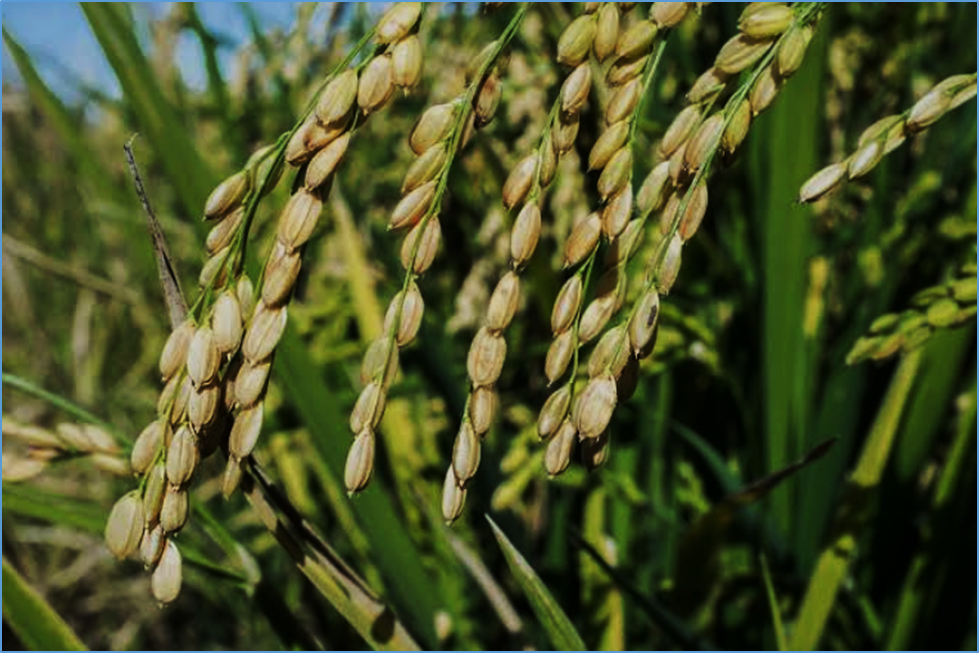
Monday, 04/05/2026 | 08:23:32
As a staple food for half the world’s population, rice is an important dietary source of magnesium (Mg), an essential mineral for human health. Enhanced Mg accumulation in rice grains has also been linked to eating quality. However, the mechanisms underlying Mg transport to the grains remains poorly understood. Here, we report that OsMGR2, a member belonging to Magnesium Release (MGR) family, is required for Mg accumulation in rice grains. OsMGR2 encodes a plasma membrane-localized transporter that mediates Mg efflux.
GM Crops Show Potential to Reduce Hunger Amid Public Skepticism in India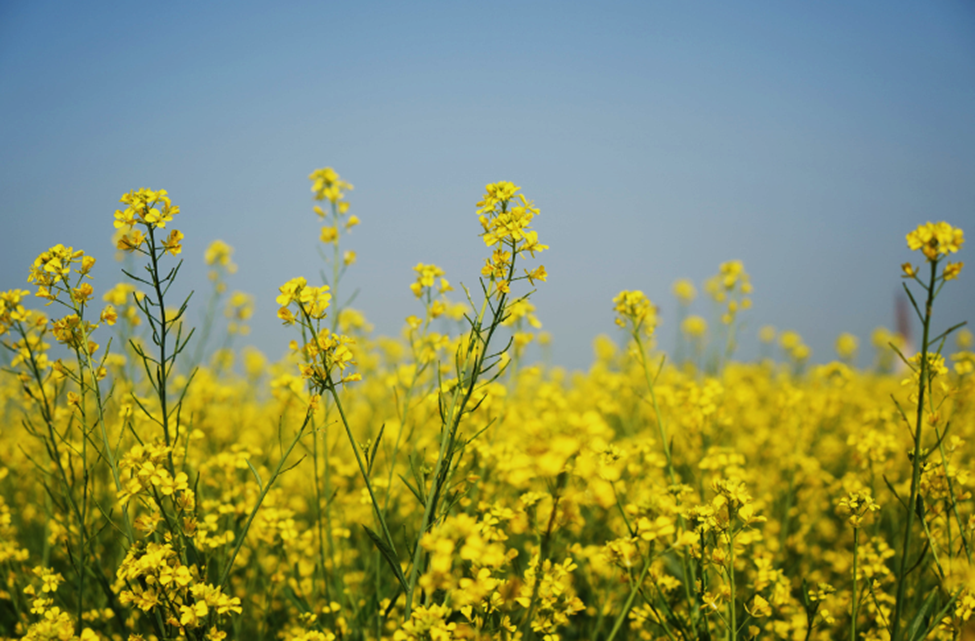
Monday, 04/05/2026 | 08:22:11
A study published in the Asian Journal of Research in Biosciences highlights the potential of genetically modified (GM) crops to address hunger and malnutrition in India, while also identifying key barriers to public acceptance. The study examined how GM crops, such as Golden Rice and GM mustard, could improve food security by enhancing nutritional value and increasing yields amid climate challenges.
UN SOFI: 673 Million People Experienced Hunger in 2024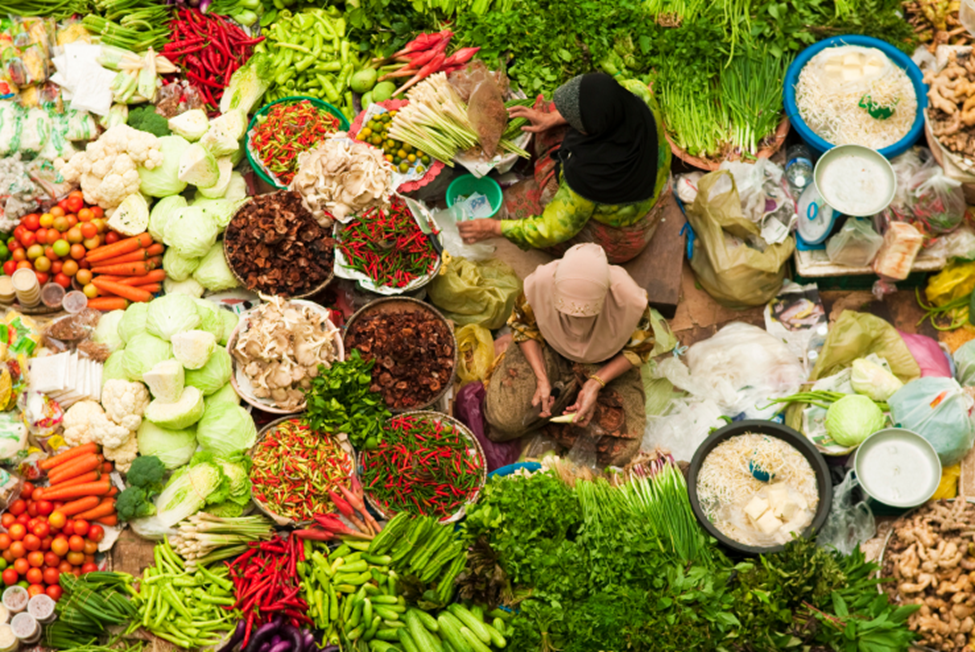
Monday, 04/05/2026 | 08:21:21
According to the latest United Nations (UN) report, The State of Food Security and Nutrition in the World (SOFI 2025), global hunger has declined slightly to approximately 673 million people, or 8.2% of the population, in 2024. This marks a decrease from 8.5% in 2023, yet progress remains uneven as hunger continues to surge across Africa and Western Asia due to conflict and high food inflation.
Systemic defense signaling in Austrian pine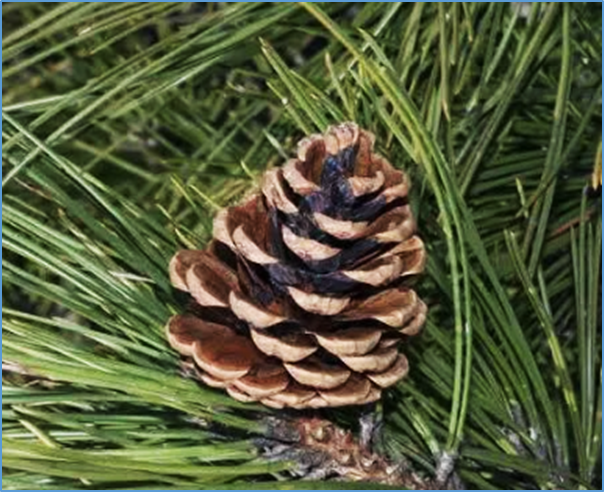
Sunday, 03/05/2026 | 06:55:08
In plants, the induction of systemic defenses is essential for sustaining structural and physiological homeostasis during repeated attacks by various pests and pathogens. Plant hormones regulate numerous systemic responses; however, relatively little is known about their role in the expression of systemic induced resistance (SIR) against necrotrophic fungi, particularly in trees. Based on an established pathosystem comprised of Austrian pine and Diplodia pinea
The progressive modernization of cassava breeding programs at International Institute of Tropical Agriculture and future prospects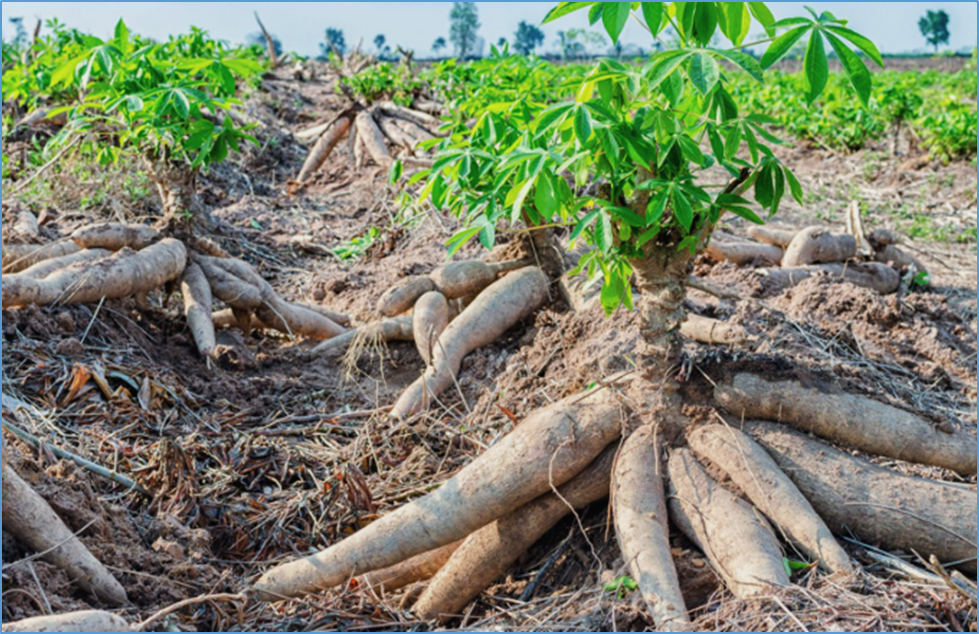
Sunday, 03/05/2026 | 06:55:14
Modernizing cassava breeding programs (CBPs) is critical to increase genetic gain, close the yield gap, and ensure food availability, accessibility, and affordability to support livelihood transformation and economic development in sub-Saharan Africa (SSA). The CBP at the International Institute of Tropical Agriculture, a pioneer in cassava (Manihot esculenta Crantz) improvement in SSA, has undergone modernization.
Bangladesh’s new agriculture minister signals push for next-generation rice as partnership with IRRI deepens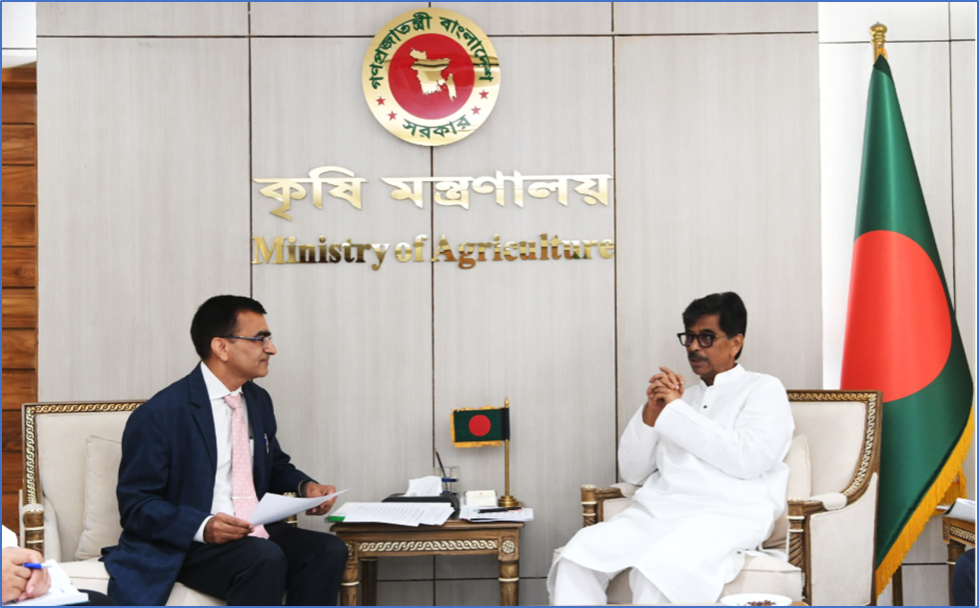
Sunday, 03/05/2026 | 06:55:20
Bangladesh’s newly appointed Agriculture Minister, His Excellency Mohammad Amin Ur Rashid, has signaled a strong push toward a more nutritious, climate-resilient rice, as he met with a delegation from the International Rice Research Institute (IRRI) to reinforce and expand a long-standing partnership on rice research and innovation.
Soil organic nitrogen rather than fertilizer drives dinitrogen losses in flooded rice systems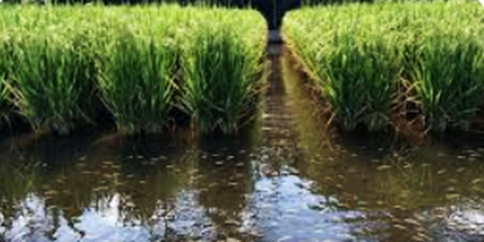
Wednesday, 29/04/2026 | 14:06:06
Rice production underpins food security but relies heavily on nitrogen (N) fertilization, much of which is lost as gaseous emissions. Dinitrogen (N2) represents the largest N loss, yet its sources remain poorly constrained because biological dinitrogen (N2) fluxes are difficult to quantify against the atmospheric background. Here, we apply an in situ 15N tracing–membrane inlet mass spectrometry (15N–MIMS) technique to simultaneously measure N2, ammonia (NH3),
CRISPR/Cas9 Genome Editing in Rice (Oryza sativa L.) for Multi-Stress Resilience and Prospects for Agricultural Sustainability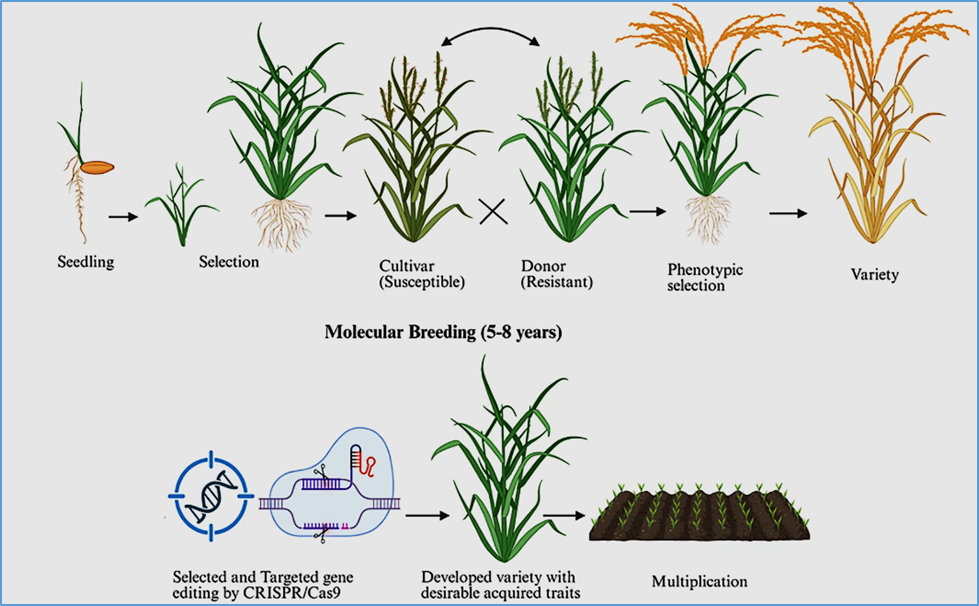
Wednesday, 29/04/2026 | 14:04:52
Rice (Oryza sativa L.) is a staple food for nearly half of the world’s population, making it vital for food security and economic stability. Currently, severe climate change poses serious threats to rice production, as both abiotic and biotic stresses cause significant yield losses. To meet these challenges, developing innovative strategies to create resilient rice varieties is crucial. CRISPR/Cas9 genome editing has become a transformative technology for precise, rapid, and transgene-free improvement of complex stress tolerance traits in rice.
2026 ECOSOC Financing for Development Forum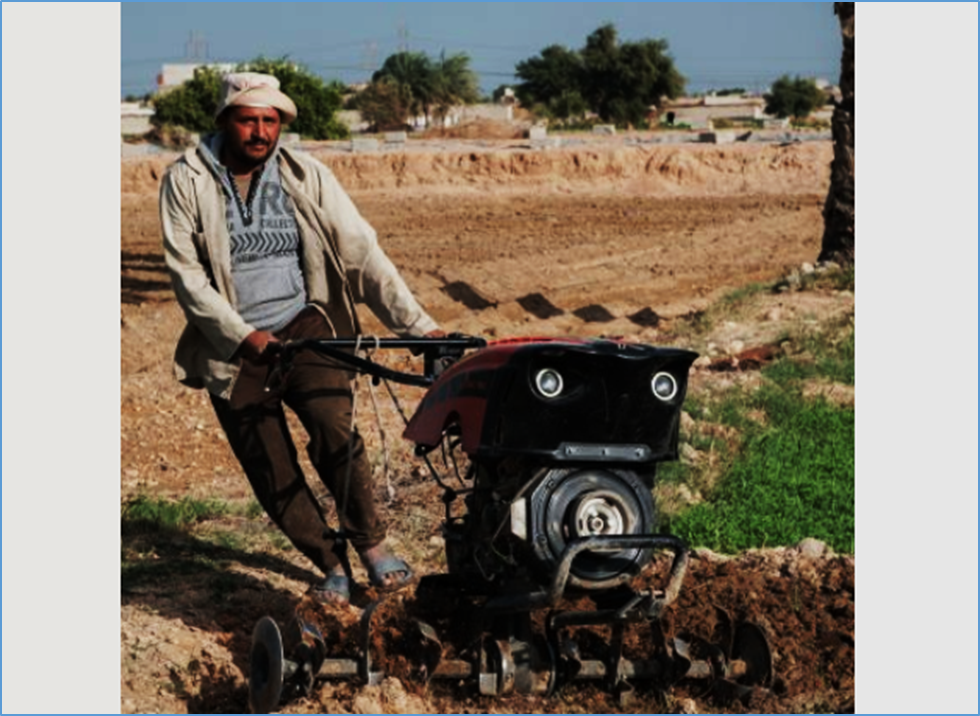
Wednesday, 29/04/2026 | 14:03:57
The 2026 ECOSOC Forum on Financing for Development Follow-Up (FfD Forum), a key mechanism of the Financing for Development process, will be held on 20-24 April 2026. The Forum will continue the momentum established at the landmark Fourth International Conference on Financing for Development, held in June 2025 in Seville, Spain, and play a pivotal role in mobilizing engagement and driving concrete actions under the Seville Commitment.