


News & Events
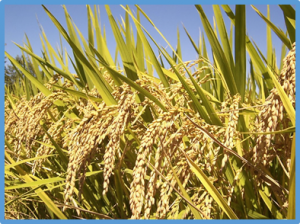
A study led by Peter Sudmant of the University of California, Berkeley, and Erik Garrison of the University of Tennessee Health Science Center in Memphis found that the increase in the number of genes coding for enzymes that break down starch tracks the spread of agriculture across Europe from the Middle East, and with it, an increasingly starchy human diet rich in high-carbohydrate staples such as wheat and other grains.

Global research has revealed the two-way relationship between climate change and agriculture. Agriculture is a major driver of climate change, extinction, and pollution, with major environmental effects. At the same time, flooding, droughts, and extreme temperatures resulting from climate change are beginning to threaten global food production.
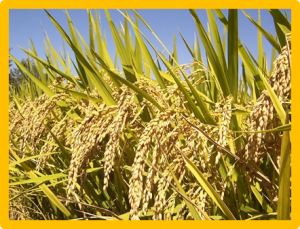
In the past century, there have been great achievements in identifying resistance (R) genes and quantitative trait loci (QTLs) as well as revealing the corresponding molecular mechanisms for resistance in rice to major diseases and insect pests. The introgression of R genes to develop resistant rice cultivars has become the most effective and eco-friendly method to control pathogens/insects at present. However, little attention has been paid to durable and broad-spectrum resistance, which determines the real applicability of R genes.

The Netherlands Commission on Genetic Modification (COGEM) was requested to evaluate the environmental risks associated with the renewal of the authorization for the import of genetically modified (GM) cotton MON15985 for use in food and feed, as submitted by Bayer Agriculture BV on behalf of Bayer CropScience LP. In the letter to the State Secretary for Public Transport and the Environment, COGEM stated that cotton cultivation is not possible in the Dutch climate and that there are no wild relatives of cotton in The Netherlands

The 2022 post-market environmental monitoring (PMEM) report on the cultivation of the Cry1Ab-expressing maize event MON 810 presents the results of insect resistance management and monitoring activities. Following a request from the European Commission, the European Food Safety Authority (EFSA) released an assessment of the 2022 PMEM report on genetically modified (GM) maize MON 810.
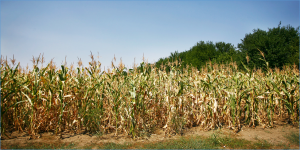
Drought, as a primary environmental factor, imposes significant constraints on developmental processes and productivity of plants. PHDs were identified as stress-responsive genes in a wide range of eukaryotes. However, the regulatory mechanisms governing PHD genes in maize under abiotic stress conditions are still largely unknown and require further investigation. Here, we identified a mutant, zmvil2, in the EMS mutant library with a C to T mutation in the exon of the Zm00001d053875 (VIN3-like protein 2, ZmVIL2),
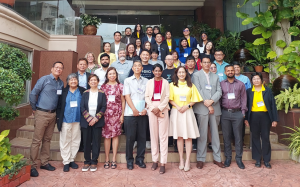
FuturaGene's VP for Public Affairs Dr. Mike May highlighted the role of gene technology in contributing exponential solutions to world's pressing problems. He said that unlocking such technologies must be part of the economic and political priorities to drive growth. He said this during his talk on bioethical considerations and stewardship of biotechnology products during the 7th Asian Short Course on Agribiotechnology, Biosafety Regulation, and Communication (ASCA7) held on September 2-6, 2024, in Bangkok, Thailand.

A pair of studies conducted by researchers from the Center for Advanced Bioenergy and Bioproducts Innovation (CABBI) show the potential of genetic engineering in improving water use efficiency (WUE) in climate-friendly C4 bioenergy crops without negative effects on yield. Their studies are published in the Journal of Experimental Botany. In their first study, the CABBI team improved WUE in sorghum by inserting a gene that modifies the developmental pattern and reduces the number of stomata on the leaves.
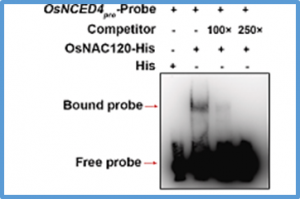
The crosstalk between gibberellin (GA) and abscisic acid (ABA) signaling is crucial for balancing plant growth and adaption to environmental stress. Nevertheless, the molecular mechanism of their mutual antagonism still remains to be fully clarified. In this study, we found that knockout of the rice NAC (NAM, ATAF1/2, CUC2) transcription factor gene OsNAC120 inhibits plant growth but enhances drought tolerance, whereas OsNAC120 overexpression produces the opposite results.

Gene editing offers a promising solution to various challenges faced in the aquaculture industry. A study conducted by researchers from Nanjing Agricultural University, Shanghai Ocean University, and the Chinese Academy of Fishery Sciences in China provides a comprehensive review and assessment of the effectiveness, challenges, and socioeconomic impacts of CRISPR-Cas9 technology applications in fisheries.
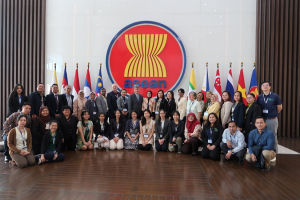
The Association of Southeast Asian Nations (ASEAN) Committee on Science, Technology, and Innovation (COSTI) aims to advance gene editing research and adoption and develop science-based policies in the region. As part of the initiative, ASEAN COSTI and partners gathered over 70 online and onsite participants from eight ASEAN countries for a gene editing workshop titled Gene Editing Regulations and Prospects in ASEAN.
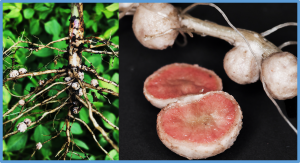
Root exudates are known signaling agents that influence legume root nodulation, but the molecular mechanisms for nonflavonoid molecules remain largely unexplored. The number of soybean root nodules during the initial growth phase shows substantial discrepancies at distinct developmental junctures. Using a combination of metabolomics analyses on root exudates and nodulation experiments, we identify a pivotal role for certain root exudates during the rapid growth phase in promoting nodulation