


News & Events
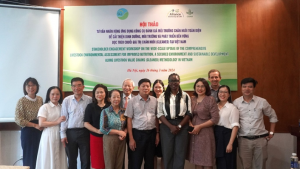
In 2023, Vietnam’s livestock industry grew by 5.72%, contributing 26% to agricultural gross domestic product (GDP). Livestock production increased by 4.5–6%/year in the 2018–2022 period, mostly driven by growing demand for eggs, milk and meat[1]. This rapid growth has come at the cost of environmental degradation and competition for feeds, which threaten long-term sustainability. Therefore, it is essential to address a wide range of issues that impact the livestock industry in Vietnam to enhance productivity,
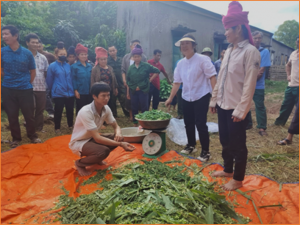
The CGIAR Initiative on Sustainable Animal Productivity (SAPLING) and the Agricultural Service Centre (ASC) of Mai Son District, Vietnam, have established a strategic co-investment initiative focusing on sustainable livestock development. Aiming to improve farming practices while addressing environmental challenges in the region, the initiative was held between 11 and 22 June 2024.
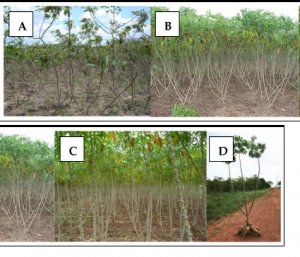
Cassava (Manihot esculenta Crantz) was introduced to Southeast Asia in the 16th-17th centuries and has since flourished as an industrial crop. Since the 1980s, Thailand has emerged as the leading producer and exporter of cassava products. This growth coincided with the initiation of cassava breeding programs in collaboration with the International Center for Tropical Agriculture (CIAT), focusing on root yield and starch production. The success of Thai cassava breeding programs can be attributed to the incorporation of valuable genetic diversity from international germplasm resources to cross with the local landraces

Members of the International Seed Federation are asking for harmonized regulations on new breeding techniques such as gene editing to speed up valuable technologies. "It is critical that regulations applicable to plant breeding innovation are risk proportionate, science-based, and adaptable to reflect evolving scientific knowledge as well as the application of that knowledge," said ISF spokesperson as reported by AgTechNavigator.
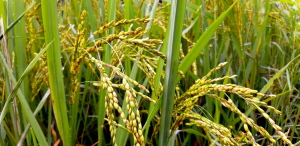
Scientists from the University of Missouri and Nanjing Agricultural University used CRISPR-Cas9 to edit the SWEET14 gene in rice plants and enhance resistance to bacterial blight. The results of the study are published in The Crop Journal. One of the major threats in rice production is bacterial blight caused by Xanthomonas oryzae pathovar oryzae (Xoo). Developing rice varieties with resistance to bacterial blight is vital in advancing rice breeding programs and providing support to smallholder farmers.
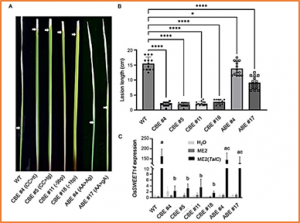
Bacterial blight (BB), caused by Xanthomonas oryzae pathovar oryzae (Xoo), poses a significant threat to rice production, particularly in Asia and West Africa. Breeding resistance against BB in elite rice varieties is crucial to advancing rice breeding program and supporting smallholder farmers. Transcription Activator-Like effectors (TALes) are key virulence factors in Xoo, with some targeting the susceptibility (S) genes such as the sugar transporter SWEET genes in rice.
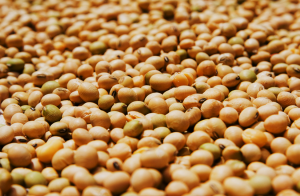
Research conducted by Mississippi State University associate professor Ling Li offers a potential solution to combat global protein deficiency, a condition affecting millions, particularly children, contributing to cognitive impairments, stunted growth, and susceptibility to diseases like Kwashiorkor, a severe form of malnutrition caused primarily by a deficiency in dietary protein.
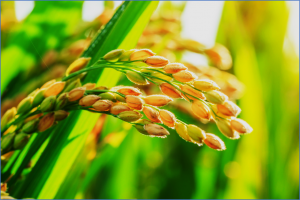
A study published in New Phytologist shows the effects of overexpression of OsNF-YC4 and GmNF-YC4 in leaf and seed protein content in rice and soybean while reducing starch accumulation. The results of the study provide significant insights into improving the nutritional value of these foods and help address deficiencies in protein intake among people who heavily rely on starchy diets.

Hollowness is a physiological disorder that frequently occurs during the growth and postharvest storage phases of fleshy radish roots, significantly diminishing quality, yield, and marketability. However, the molecular mechanism for hollowness remains elusive. To identify the QTLs and potential candidate genes for hollowness tolerance in radish, F2 and BC1 populations were constructed from hollowness-tolerant radish (C16) and hollowness-sensitive radish (C17) in the present study.

Researchers from the University of Zurich (UZH), led by Gerald Schwank from the Institute of Pharmacology and Toxicology, and ETH Zurich engineer TnpB to create a more compact gene editor for precise gene editing. Their study is part of their project aimed at using the TnpB tool to treat patients with familial hypercholesterolemia, a condition characterized by high levels of cholesterol in the blood.
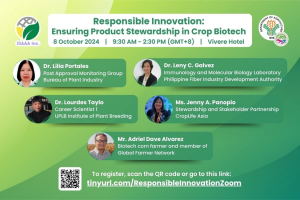
ISAAA Inc. will hold a multi-stakeholder forum titled Responsible Innovation: Ensuring Product Stewardship in Crop Biotech in collaboration with the Philippine Agriculture and Fisheries Biotechnology Program of the Department of Agriculture (DA Biotech Program). This hybrid event is scheduled on October 8, 2024, from 9:30 AM to 2:30 PM at Vivere Hotel, Filinvest City, Alabang, Muntinlupa City. Registration for Zoom participants is now open to all interested participants.
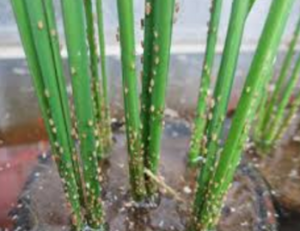
The brown planthopper (BPH), Nilaparvata lugens (Stål, 1854), is a pest of rice plants worldwide. Cordyceps javanica is a destructive entomopathogenic fungus known to attack leafhoppers or BPHs specifically. Live adult BPH samples were inoculated with isolated C. javanica PSUC002, and their interaction was morpho-histologically examined from 0 to 120 h post-inoculation (pi). We observed that the mortality of BPH continuously increased until 120 h pi (Day 5)