


News & Events

A new paper recently published by scientists from the International Rice Research Institute (IRRI) and the Max Planck Institute is exploring the potential of low glycemic index (Low GI) rice to combat the growing diabetes epidemic, particularly in Asia. The rise in type 2 diabetes poses a significant global health challenge, with over 537 million people affected in 2021, a number that is projected to exceed 780 million by 2045
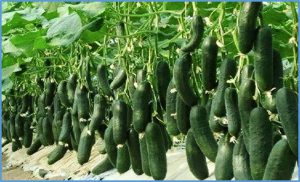
Male sterility and fruit wart formation are two significant agronomic characteristics in cucumber (Cucumis sativus), yet knowledge of our underlying genetics is limited. In this study, we identified an EMS-induced male sterility and few small warts mutant (msfsw). Histological observations revealed defects the absence of tapetum, meiotic aberration and impaired microspore formation in the anthers of the mutant.
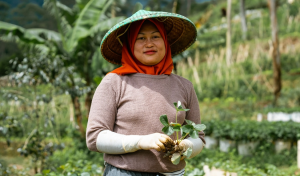
The Food and Agriculture Organization of the United Nations (FAO) has helped 22 countries unlock $68 million in financing from the Global Environment Facility (GEF) to address biodiversity loss, groundwater management, climate change, land degradation, and pollution. The projects were approved by the GEF Secretariat and Councils for the GEF Trust Fund, the Least Developed Countries Fund (LDCF), and the Global Biodiversity Framework Fund (GBFF) meeting this week in Washington D.C.

For the second year running, FAO has signaled its commitment to putting the needs of countries and regions front and center in the collective effort to steer the planet’s agrifood systems onto a more productive and sustainable pathway. Initiated last year by FAO Director-General QU Dongyu, the annual Global Working Conference of FAO Representatives (FAORs) brings the heads of the Organization’s country offices together for strategic discussions focused on how FAO can improve efficiency while ramping up efforts to address national ambitions around agrifood system transformation.
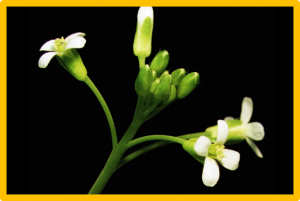
The classical acid growth theory suggests that auxin stimulates cell expansion by triggering apoplast acidification via plasma membrane (PM)-localized H+-ATPase. Here, we reconstructed the origin and evolutionary history of auxin-mediated acid growth. Comparative phylogenomic analysis showed that most core components of acid growth originated in Charophyta and then underwent subclass expansion and functional innovation during plant terrestrialization.

Adopting underutilized legumes is increasingly recognized as a vital strategy for addressing food security, particularly in the era of climate change. These legumes possess unique characteristics, including the ability to thrive under extreme conditions such as high temperatures, drought, and varying soil pH levels. Many underutilized legumes are rich in essential nutrients, promoting good health while contributing to food security.

Armed conflicts and other concurrent crises that have been occurring in different regions of Ethiopia in the past couple of years have left behind a legacy of massive displacement and disruption of agricultural activities, exposing millions of people to various challenges, including food shortages, malnutrition, and loss of productive resources such as agricultural inputs.
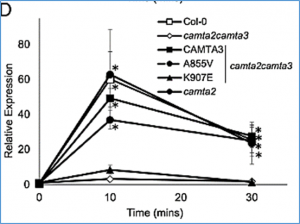
Plants need to adapt to fluctuating atmospheric humidity and respond to both high and low humidity. Despite our substantial understanding of plant responses to low humidity, molecular mechanisms underlying the high humidity (HH) response are much less well understood. In this study, we investigated early responses to HH in Arabidopsis. Expression of CYP707A3, encoding an abscisic acid (ABA) 8′-hydroxylase, is induced by HH within 10 min, which leads to a decrease in foliar ABA level.

The European Food Safety Authority (EFSA) Panel on Food Enzymes evaluated the safety of the food enzyme endo-1,4-β-xylanase from the genetically modified (GM) Bacillus subtilis strain AR-153. The application for the authorization procedure for food additives, food enzymes, and food flavorings was submitted by AB Enzymes GmbH.
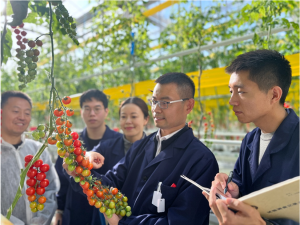
A study conducted by Prof. XU Cao's team from the Institute of Genetics and Developmental Biology (IGDB) of the Chinese Academy of Sciences reports a novel breeding strategy to rapidly create climate-smart crops with higher yield under normal conditions and greatly rescue yield losses under heat stress both in staple grain and vegetable crops.
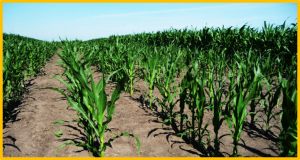
Doubled haploid (DH) breeding accelerates the development of elite inbred lines and facilitates the incorporation of exotic germplasm, offering a powerful tool for maize improvement. Traditional DH breeding relies on colchicine to induce haploid genome doubling. Colchicine is toxic, and its application is labor-intensive, with most genotypes recording low genome doubling rates (10–30%).
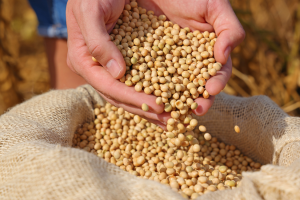
A study conducted by experts from Shiraz University of Medical Sciences showed that the consumption of genetically modified (GM) soybeans does not exhibit adverse effects on physiological variables and gut microbiota of Sprague-Dawley rats. The findings of the study contribute to the extensive literature proving the safe use and consumption of GM soybeans.