


News & Events
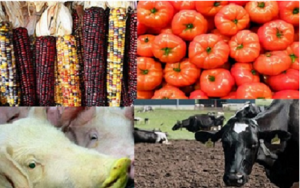
The Biosafety (Management of Biotechnology) Regulations 2019, a Legislative instrument, has been introduced in parliament and is currently waiting approval. It operationalizes the National Biosafety Act 2011 which permits the entry of GMOs in Ghanaian markets and sets the functions of the National Biosafety Authority. The document also specifies the committees that will aid the government in regulatory procedures such as application processes, obtaining import and export permits, monitoring and enforcement to ensure the safety of GM foods, and public education on GMOs.
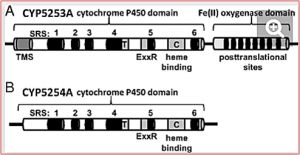
Genes encoding cytochrome P450 (CYP; P450) enzymes occur widely in the Archaea, Bacteria, and Eukarya, where they play important roles in metabolism of endogenous regulatory molecules and exogenous chemicals. We now report that genes for multiple and unique P450s occur commonly in giant viruses in the Mimiviridae, Pandoraviridae, and other families in the proposed order Megavirales.

A new spirit of consensus, the embracing of partnerships and a new cross-disciplinary teamwork approach to tackling food security challenges are now hallmarks of how the Food and Organization of the United Nations (FAO) operates, Director-General José Graziano da Silva told member states today. Those institutional innovations have boosted the salience of two key policy shifts in pursuing FAO's mandates - understanding that reducing hunger is more about access than production

Riccardo Giacconi, the “Father of X-ray Astronomy,” Nobel laureate, and one of the most influential figures in astrophysics over the past 60 years, died on December 9, 2018, at the age of 87. With a career spanning the electromagnetic spectrum, Riccardo opened up new windows for observing the universe and revolutionized “big astronomy.” Many in the astronomy community continue to base their research on data from observatories that he conceived, built, and/or directed.
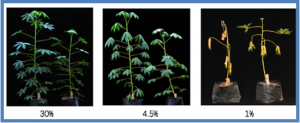
Transcriptome analysis of autotetraploid samples revealed down-regulation of genes involved in photosynthesis under drought stress, and less down-regulation of subtilisin-like proteases involved in increasing stomatal density. UDP-glucosyltransferases were increased more or reduced less in dehydrated leaves of autotetraploids compared with controls.
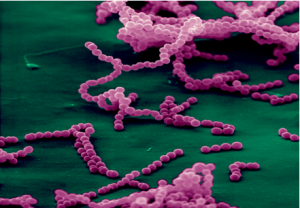
Flesh-eating bacteria employ a devious strategy. When the bacteria, known as Streptococcus pyogenes, slip under the skin via a small cut or bug bite, they eat away at the tissue underneath, causing a condition called necrotizing fasciitis. One of the early, defining symptoms is that a minor wound or abrasion becomes intensely painful, far more painful than it ought to feel.
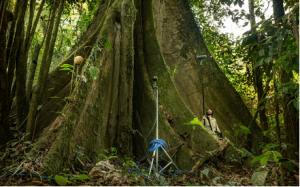
Sound is everywhere in tropical forests. Rain drips from water-slicked leaves, birds screech, monkeys titter and bellow, branches crack, wind moans, and insects chirp and buzz. Vibrations pierce the humid understory and echo through the airy canopy, creating a symphony of sounds that speaks to both artist and scientist.
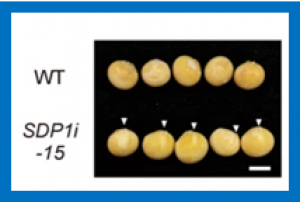
Seeds of soybean (Glycine max L.) are a major source of plant-derived oils. In the past, improvements have been made in the quantity and quality of seed oil. Triacyl glycerols (TAGs) are the principal components of soybean seed oil, and understanding the metabolic regulation of TAGs in soybean seeds is essential. Here, we identified four soybean genes encoding TAG lipases

India’s strides in agricultural science innovations can greatly benefit African nations, enhancing South-South collaboration between the two regions, said Dr Peter Carberry, Director General, ICRISAT, at the Foundation Day Lecture of the Indian National Academy of Agricultural Sciences on 5 June 2019.
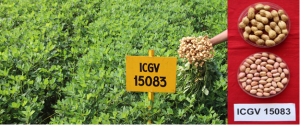
After eight years of collaborative work, two high oleic groundnut lines have been identified by India’s coordinated release program to go commercial. This means processors and consumers in India will now have access to heathier groundnut-based food products and oil with longer shelf life.
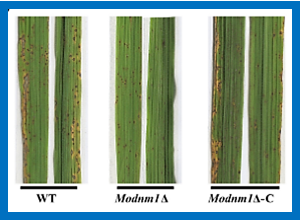
Magnaporthe oryzae causes blast disease, which is one of the most devastating infections in rice and several important cereal crops. Magnaporthe oryzae needs to coordinate gene regulation, morphological changes, nutrient acquisition and host evasion in order to invade and proliferate within the plant tissues. Thus far, the molecular mechanisms underlying the regulation of invasive growth in planta have remained largely unknown.
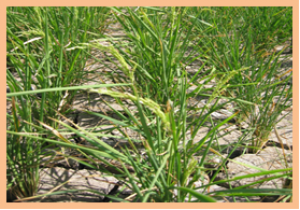
Drought is one of the abiotic factors that affect the yield of crops. Studies have shown that basic leucine zipper motif (bZIP) transcription factors play an important regulatory function in plant drought stress responses. However, the functions of bZIP transcription factors in rice are still mysterious. Scientists from Shanghai Agrobiological Gene Center identified and characterized a novel drought stress-related bZIP transcription factor in rice—OsbZIP62. The findings are published in BMC Plant Biology.