


News & Events
News & Events
OPEN STOMATA 1 activates SLAC1 anion channel primarily through CPK15 in ABA-induced stomatal closure in Arabidopsis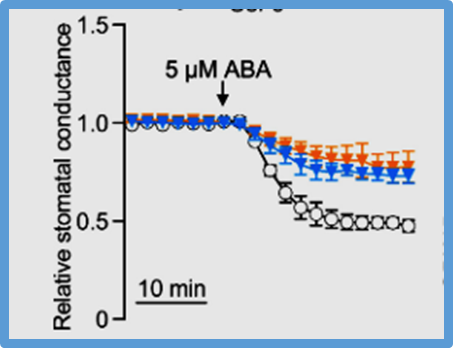
Thursday, 04/12/2025 | 08:04:09
The Ca2+-independent OST1 and Ca2+-dependent protein kinases CPKs both activate the anion channel SLAC1 during ABA-induced stomatal closure pathway. However, the mechanism by which OST1 regulates SLAC1 activation and its relationship with CPKs remain unclear. Here, we identify that OST1 primarily activates SLAC1 in this process through CPK15. Mutation of CPK15 significantly impairs ABA-induced stomatal closure and increases drought sensitivity. OST1 interacts with CPK15 and phosphorylates it at T103, which is essential for ABA-induced stomatal closure
Targeted Inheritance of Sex Offers a New Method to Improve Animal Breeding
Thursday, 04/12/2025 | 08:02:57
A new study conducted by researchers from the Max Planck Institute for Molecular Genetics (MPIMG) shows how the t-haplotype can be used to influence the inheritance of sex chromosomes in mice. The findings of the study, published in Genetics, demonstrate a potential targeted inheritance method to improve animal breeding.
Single Gene Discovery Promises Better Tea Taste and Yield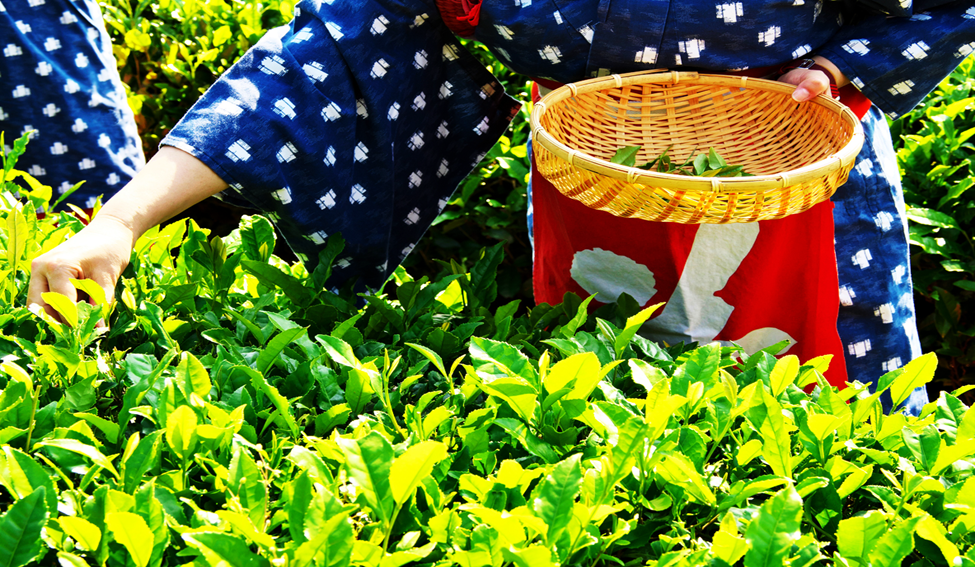
Thursday, 04/12/2025 | 08:02:12
Chinese researchers have made a key genetic breakthrough that offers new paths for improving tea quality and yield. Scientists from the Tea Research Institute at the Chinese Academy of Agricultural Sciences identified the gene CsKNOX6, which plays a critical role in controlling the size of tea buds. This discovery is vital because the size of the young shoot—typically harvested at the one bud and two leaves stage—directly influences the taste, processing suitability, and overall market quality of tea.
Artificial cells with liquid–liquid phase separation–regulated cell-free protein synthesis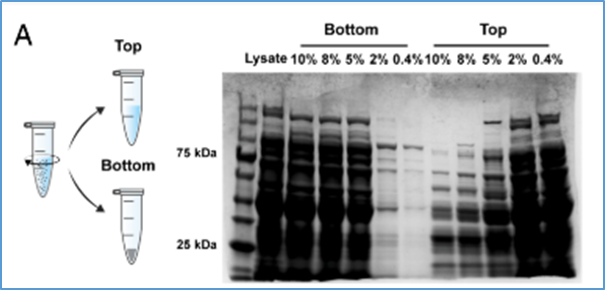
Wednesday, 03/12/2025 | 08:17:36
The rapid advancement of synthetic biology has enabled the construction of artificial cells that closely mimic the morphology and functionality of their natural counterparts. However, significant limitations remain in engineering artificial cells capable of regulated protein expression. Here, we demonstrate that engineered polymers containing multivalent association motifs can reversibly regulate translational activity through liquid–liquid phase separation (LLPS)–induced protein aggregation
CRISPR Alters Chromosome Numbers in Plants
Wednesday, 03/12/2025 | 08:16:34
Researchers from the Karlsruhe Institute of Technology (KIT) and partners have successfully reduced the number of chromosomes in the model plant Arabidopsis thaliana without affecting its growth using CRISPR-Cas9. The study, published in Science, demonstrates the first time scientists have achieved such a targeted change in plants.
Philippine Regulators Work on Refining Risk Assessment Report on GM Plant and Plant Products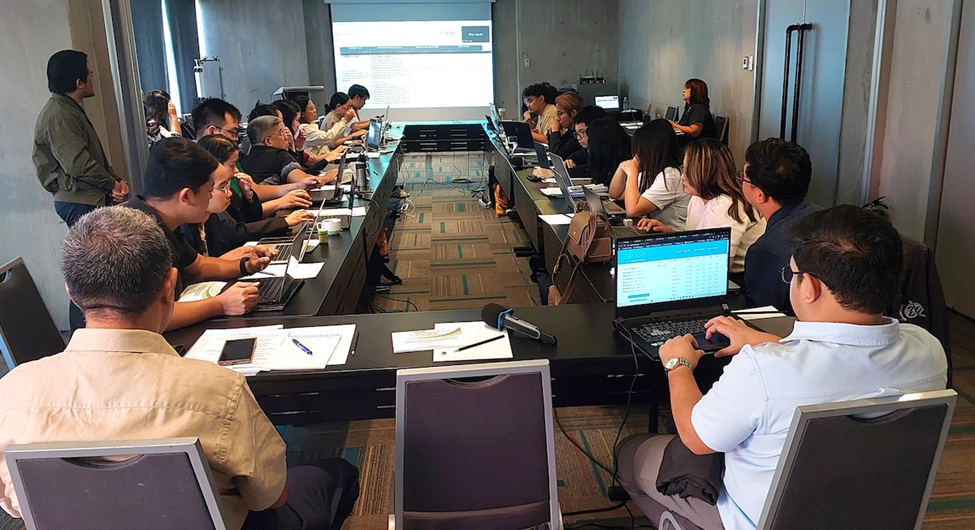
Wednesday, 03/12/2025 | 08:15:43
A three-day writeshop on Updating the Risk Assessment Report (RAR) Template for Risk Assessment for Genetically Modified Plant and Plant Products was conducted on 19-21 November at B Hotel in Quezon City. Regulators from the Department of Agriculture, Department of Science and Technology, Department of Environment and Natural Resources, and experts from partner institutions are working together on updating the RAR form to align with guidelines and standards on risk assessment set by Codex Alimentarius,
A major and stable QTL confers impatiens necrotic spot virus resistance in lettuce cv. Eruption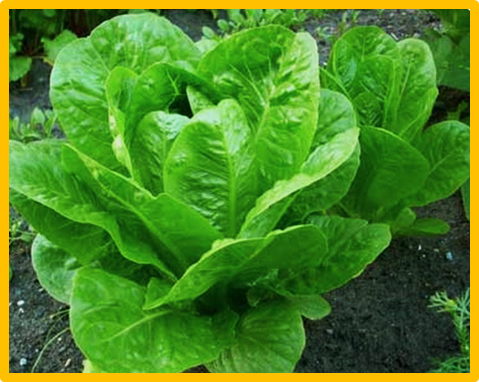
Tuesday, 02/12/2025 | 08:12:03
Impatiens necrotic spot virus (INSV) has recently emerged as a major threat to lettuce production in the Salinas Valley of California, the region which contributes over 60% of the US national supply. This thrips-transmitted virus can infect lettuce plants at any growth stage, causing premature death or a total loss of marketability. Both INSV and its thrips vector have broad host ranges, which complicate disease management. Utilizing genetic resistance is the most sustainable approach; however, complete immunity has not been identified and the genetic basis of resistance to INSV in lettuce remains poorly understood.
University of Waterloo Researchers Turn to Biotechnology to Combat Plastic Pollution
Tuesday, 02/12/2025 | 08:10:37
Research teams at the University of Waterloo collaborate to tackle the growing plastic pollution crisis using synthetic biology, microbial engineering, and engineering. The researchers aim to identify and develop new strategies to break down and upcycle plastic waste and promote a more sustainable and circular plastics economy.
Precision Breeding Act Now Live in the UK
Tuesday, 02/12/2025 | 08:09:35
The United Kingdom has officially launched a new era for crop science as the Genetic Technology (Precision Breeding) Act 2023 took effect on November 13, 2025. This landmark legislation introduces a new regulatory framework for precision-bred plants in England, distinguishing them from traditional genetically modified (GM) crops. These regulations concern plants developed using techniques such as CRISPR-Cas9 gene editing to make small genetic changes that could have occurred naturally or through conventional breeding, but which can now be achieved faster and with greater accuracy.
Genetic loci and functional genes conferring deep-sowing tolerance across multiple environments in soybean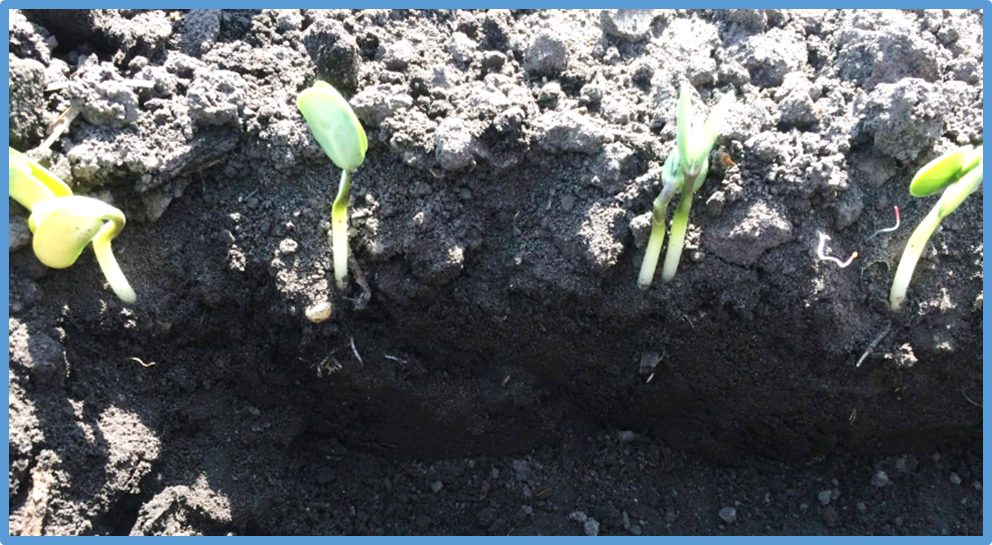
Monday, 01/12/2025 | 07:54:54
Deep-sowing is an effective strategy to ensure uniform seedling emergence and yield under drought stress condition for plants, which mainly depends on the mesocotyl or hypocotyl elongation in the monocots or dicots plants. In view of this, the hypocotyl lengths of 500 soybean accessions were evaluated under the deep-sowing conditions in nine environments, and the genetic loci and functional genes were discovered by combining with the deep re-sequencing genotypes (20 ×). The results showed that a total of 2,007 SNPs/SVs on 19 chromosomes were identified to associate with the hypocotyl length,
CRISPR Fungus: Protein-Packed, Sustainable, and Tastes Like Meat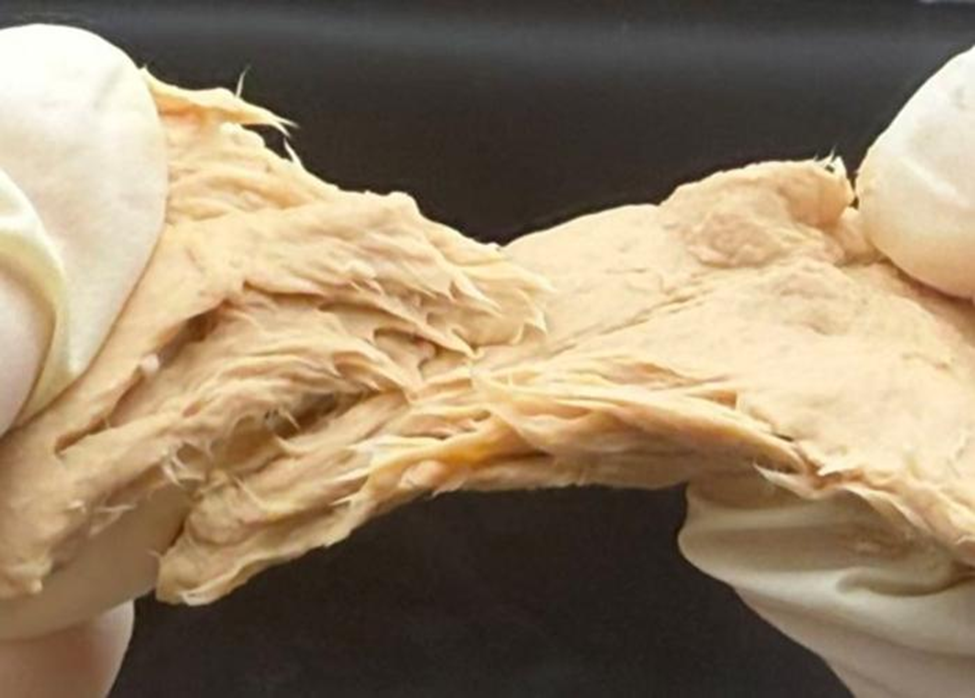
Monday, 01/12/2025 | 07:53:37
Researchers have successfully used CRISPR gene editing technology to create a fungi strain that is highly efficient, more nutritious, and significantly more sustainable than its natural counterpart. The fungus Fusarium venenatum already stands out for its meat-like flavor and texture, leading to its approval for food use in several countries. This breakthrough, published in the journal Trends in Biotechnology, addresses the need for better, more environmentally friendly alternatives to conventional animal agriculture, which accounts for about 14% of global greenhouse gas emissions.
Institute of agricultureal sciences for southern vietnam (IAS) commemorates the 100th anniversary (1925-2026)
Monday, 01/12/2025 | 07:52:31
One hundred years ago, the Indochina Institute of Agriculture and Forestry Sciences was founded in Saigon. The Institute started and has been constantly developing, closely linked to the agricultural history of the country for a century. The first director of the Institute was soil scientist Yves Henry (1875-1966). The first name was “L’Institut des Recherches Agricoles et Forestières d’Indochine”.
We are proud to work at an Institute of Agricultural Sciences for Southern Vietnam, because this is the brain of precision agriculture in Vietnam's Growing Era.