


News & Events
News & Events
Identification of AhFPA1 as the causal gene underlying qEFT13.1, a key QTL for early flowering in peanut
Monday, 08/12/2025 | 08:06:54
Flowering time serves as a key agronomic trait that significantly impacts yield, quality, and environmental adaptation in cultivated peanuts (Arachis hypogaea). Here, the fine-mapping of the locus and an investigation of its causal gene are presented. In this study, the early-flowering genotype Jihua 23 and the late-flowering genotype SN012 were selected to construct a genetic population for mapping key genes controlling flowering time.
Multiplex Genome Editing Improves Wild Rice Agronomic Traits
Monday, 08/12/2025 | 08:05:51
Scientists from the Chinese Academy of Agricultural Sciences used multiplex genome editing of seven genes to rapidly enhance wild rice (Oryza rufipogon) traits. The results are published in the Journal of Integrative Plant Biology. Genome editing tools, such as the CRISPR-Cas9, are accelerating the improvement of existing crops and the rapid domestication of wild plants, which is crucial for enhancing global food security and promoting sustainable, low-input agriculture.
Bilateral meeting with H.E. Khurelsukh Ukhnaa, President of Mongolia
Monday, 08/12/2025 | 08:04:44
FAO Director-General, Qu Dongyu, met today with H.E. Khurelsukh Ukhnaa, President of Mongolia, at the Organization’s headquarters in Rome on the margins of the 179th Session of the FAO Council. H.E. Badamsuren Myagmarsuren, Minister for Food, Agriculture and Light Industry of Mongolia also attended the meeting.
Comparative genomics of aflatoxigenic A. flavus reveals mycotoxin diversity and postharvest adaptation in cashew nuts from coastal Kenya
Sunday, 07/12/2025 | 10:22:26
Cashew is a key economic crop in coastal Kenya, yet its production faces significant challenges due to post-harvest fungal contamination, particularly by Aspergillus flavus and Aspergillus aculeatus. These fungi are known producers of mycotoxins, including aflatoxins, potent carcinogenic and mutagenic compounds that pose serious food safety and public health risks. Despite growing concerns, the genomic architecture, metabolic potential, and ecological adaptations of these fungi in cashew-growing regions remain poorly understood.
Gene Editing Reduces Browning in Lychee
Sunday, 07/12/2025 | 10:23:00
A study from the Chinese Academy of Tropical Agricultural Sciences revealed how LcMYB306 helps control water loss and browning in the postharvest of lychee. The research, published in Horticulture Research, also demonstrates how LcMYB306 interacts with another important gene involved in water transport.
The study found that LcPIP2;4 becomes less active as the fruit loses water and begins to brown. Experiments showed that inhibiting aquaporin activity delayed both water loss and browning.
Transboundary animal diseases pose urgent threat to global food security, FAO warns
Sunday, 07/12/2025 | 10:22:53
The Director-General of the Food and Agriculture Organization of the United Nations (FAO), QU Dongyu, on Friday urged Member Countries to reinforce global partnerships to prevent and control transboundary animal diseases (TADs), warning they are one of the most urgent threats to global food security and economic stability.
Speaking at an Information Session on the new Global Partnership Programme for Transboundary Animal Diseases (GPP-TAD) at FAO headquarters in Rome, Qu cautioned that recent funding cuts risk undermining decades of progress in managing and responding to these diseases when global risks are intensifying.
Genomic resequencing reveals genetic diversity, population structure, and core collection of durian germplasm
Saturday, 06/12/2025 | 08:18:38
Durio zibethinus Murr. is a tropical fruit crop of growing global importance, prized for its unique flavor and nutritional value. Yet only a narrow genetic base has been utilized in breeding efforts. We performed whole-genome resequencing of 114 diverse durian accessions collected in China, identifying over 39 million high-quality SNPs across the genome, revealing genome-wide patterns of diversity. Population structure analysis revealed three major genetic clusters, supported by PCA, phylogenetic analysis, and STRUCTURE modeling. Genome-wide scans identified candidate selective sweeps, and several genes potentially under selection.
K-State Researchers Tackle Gluten Allergenicity in Wheat Using CRISPR-Cas9
Saturday, 06/12/2025 | 08:18:57
Kansas State University (K-State) researchers, in collaboration with the state's farmers, have launched a new project to tackle gluten allergenicity in wheat while preserving the grain's essential bread-making quality. The goal is to develop new wheat varieties that can be consumed by the estimated two million Americans—and one in 100 people worldwide—who suffer from celiac disease, an autoimmune disorder triggered by gluten.
CGIAR supports innovative new Brazil-led accelerator RAIZ
Saturday, 06/12/2025 | 08:19:04
Launched at UNFCCC COP30 in Belém, the RAIZ accelerator will unite governments and investors behind a shared goal: restoring the world’s farmland to strengthen food security, tackle climate breakdown, and protect biodiversity. CGIAR supports RAIZ as a technical partner.
RAIZ addresses one of today’s most urgent challenges. With over 1 billion hectares of agricultural land already degraded, food security, biodiversity, and climate stability for more than 3 billion people are under threat.
LcMYB306 regulates litchi fruit water loss and browning by inhibiting the expression of LcPIP2;4 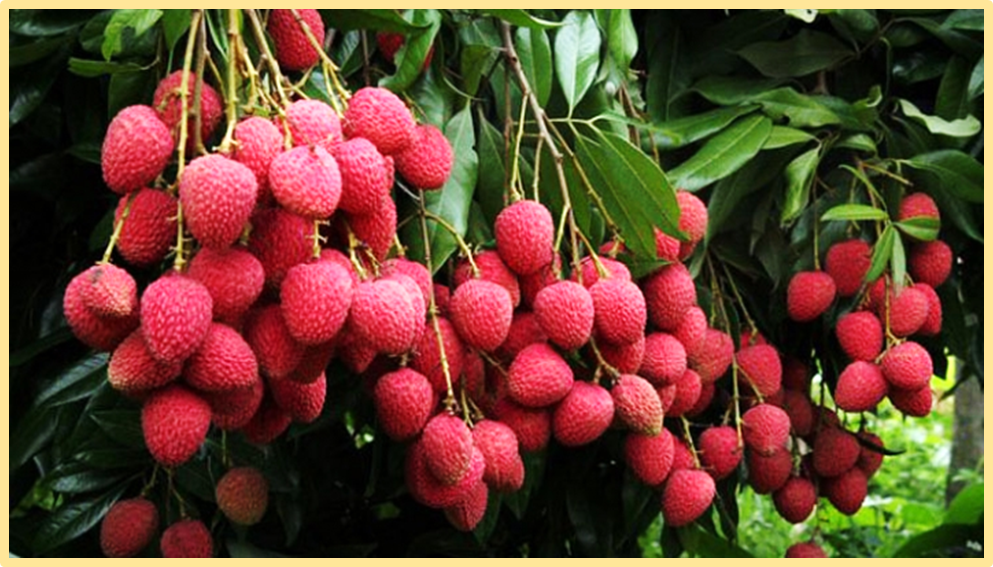
Friday, 05/12/2025 | 08:31:37
Pericarp browning of postharvest litchi is a significant obstacle to the industry's high-quality development. Water loss from the pericarp is a key factor triggering browning, but the regulatory mechanism of water metabolism and its relationship with browning remain unclear. In this study, we found that aquaporin activity inhibitors (HgCl2) can delay both water loss and browning in litchi. LcPIP2;4, a PIP family member exhibiting high expression in the litchi pericarp and the greatest water transport activity, is significantly downregulated during water loss and browning
Gene Drive Explained: How It Works, Why It Matters, and What the Regulations Say
Friday, 05/12/2025 | 08:30:33
In 2024, the World Health Organization (WHO) reported that more than 17% of the global burden of infectious diseases is due to vector-borne diseases. Over 700,000 deaths are recorded annually, and more than 3.9 billion people are at risk of contracting dengue, the most prevalent viral infection transmitted by Aedes mosquitoes.
In the Intergovernmental Science-Policy Platform on Biodiversity and Ecosystem Services (IPBES) report in September 2023, the global cost of invasive species is over $423 billion per year and this amount has quadrupled every decade since 1970.
UN Climate Change Conference Highlights Role of Agrifood Systems in Climate Action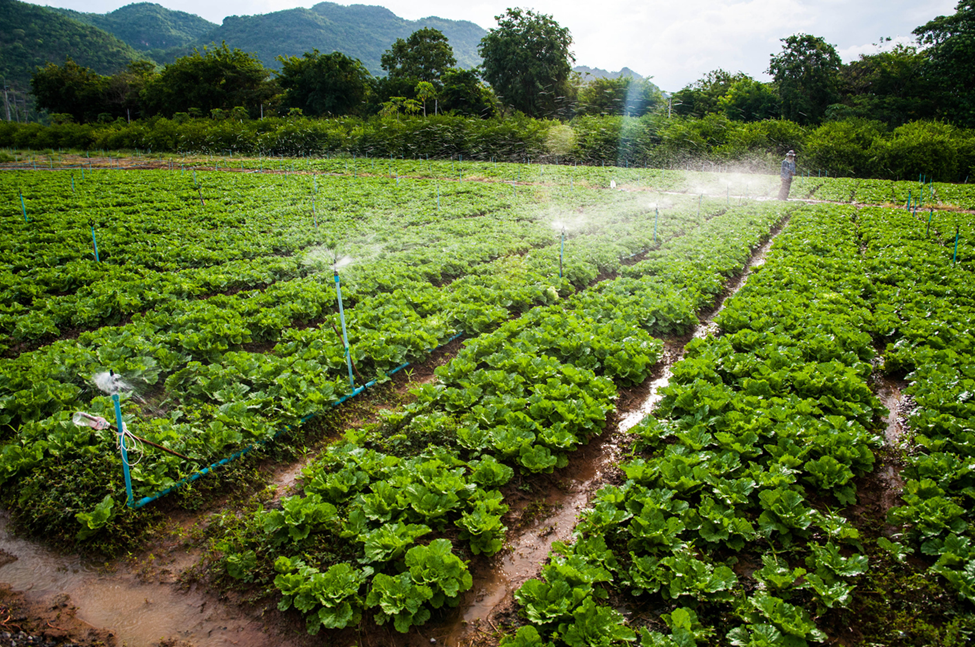
Friday, 05/12/2025 | 08:29:43
The Food and Agriculture Organization of the United Nations (FAO) positioned sustainable and resilient agrifood systems as a vital solution for attaining the Paris Agreement goals while securing global food security. This happened during the UN Climate Change Conference (COP30) held in Belém, Brazil, from November 10 to 21, 2025.