


News & Events
News & Events
High-resolution transcriptomics of stem and storage root vascular cambia highlight regulatory processes for xylem parenchyma differentiation in cassava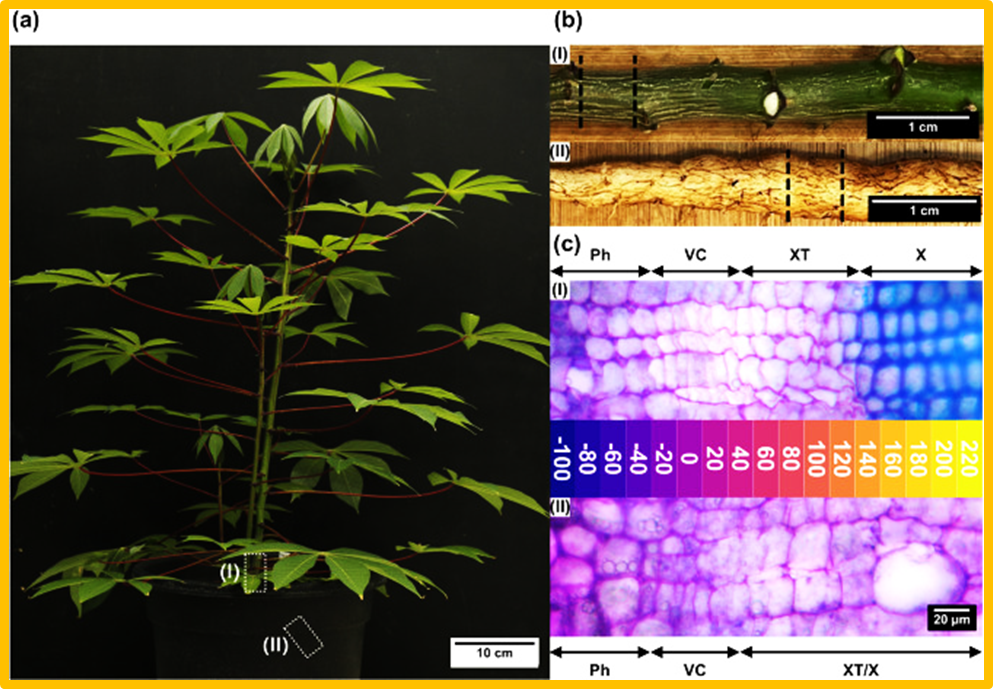
Tuesday, 16/12/2025 | 08:01:55
Due to their high carbohydrate content, the storage roots of cassava are an important food source for hundreds of millions of people worldwide. In contrast to the woody stems of the plant, the xylem of the storage roots produces mainly starch-rich storage parenchyma cells and only few tracheary elements and almost no fibers. Despite these obvious differences, both stems and storage roots are formed by a vascular cambium. To find more insights into the differences in the regulation of cell division and differentiation in stems and storage roots,
Scientists Find Transcription Factor MdWRKY9 Boosts Apple's Salt Tolerance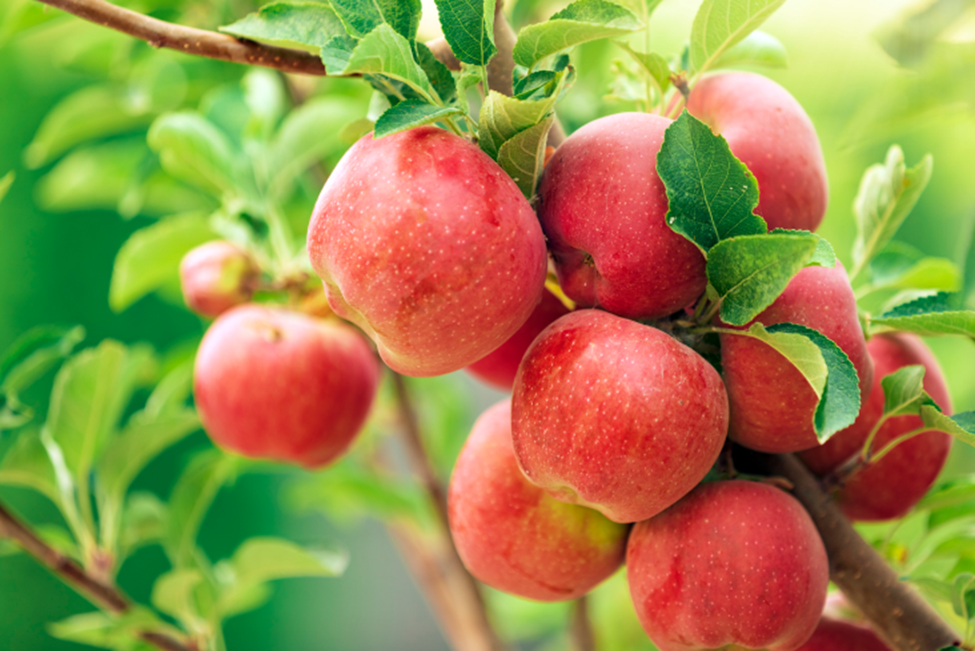
Tuesday, 16/12/2025 | 08:00:08
Salt stress poses a significant threat to global agricultural productivity, impacting over 6% of the world's land and challenging crop cultivation. Apple trees are vulnerable to high salt concentrations, which hinder their growth and degrade fruit quality. To address this challenge, researchers looked at the hormonal and genetic pathways that govern how apples respond to saline environments.
A new study published in Horticulture Research by researchers from Shandong Agricultural University has identified that the transcription factor MdWRKY9 is a key player in boosting apple's resilience. The study reveals that MdWRKY9 interacts with the jasmonic acid (JA) signaling pathway, a plant hormone known to enhance salt tolerance,
Director-General calls for forward-looking, agile Organization at 3rd Global Working Conference of FAO Representatives
Tuesday, 16/12/2025 | 07:57:49
Director-General QU Dongyu opened the Third Global Working Conference (GWC) of FAO Representatives on Monday by calling on participants to adopt a proactive, agile, and forward-looking approach to ensure FAO’s strategies, programmes, and technical support remain aligned with the evolving needs of its Members.
Held from 8 to 10 December in Cairo and hosted by the Government of Egypt, the 3rd GWC facilitates direct dialogue between the Director-General, FAO Representatives, Core Leaders, and Senior Managers.
Mapping flowering time QTLs in watermelon wild relative Citrullus amarus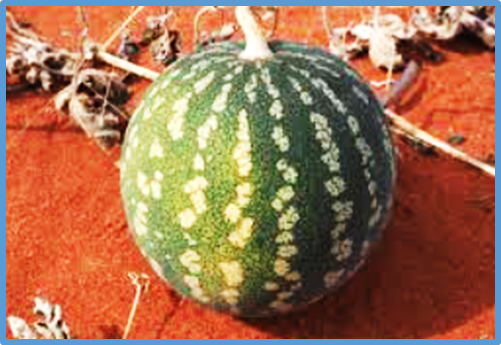
Monday, 15/12/2025 | 08:19:43
Inbred lines of Citrullus amarus, a wild relative of cultivated watermelon, are widely used as rootstocks to control soil-borne diseases for watermelon (Citrullus lanatus) production. The most commonly used watermelon rootstock, ‘Carolina strongback’ (Syngenta, Basel, Switzerland) flowers weeks later than commercial watermelon cultivars, which delays the onset of female flowering (DFF) of the scion, leading to an undesirable delay in fruit maturity and harvesting. Understanding the genetics of DFF in a C. amarus population will facilitate the development of rootstocks with the early flowering habits preferred for commercial production.
Gene Editing Unlocks Commercial Potential of Goldenberry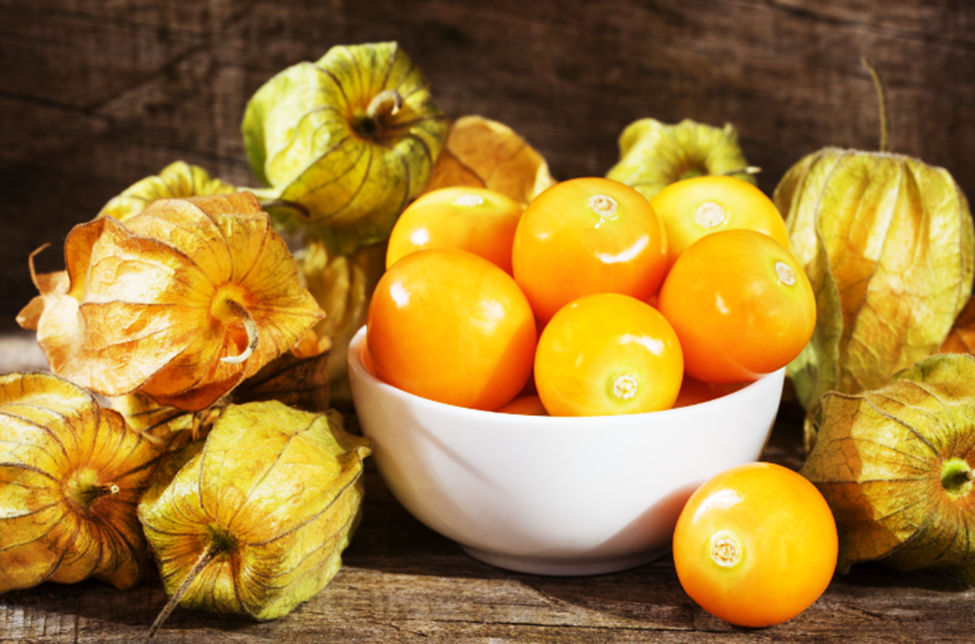
Monday, 15/12/2025 | 08:18:41
Goldenberry, a small, tart-sweet fruit described as a cross between a pineapple and a mango, is increasingly popular in U.S. markets for its flavor and superfood nutritional profile. However, the plant's naturally wild and unruly growth habit has made it impractical for large-scale commercial farming. This challenge has kept the highly nutritious crop, native to the Andes region of South America, trapped between its wild origins and its commercial potential, even as global demand continues to rise.
EU Reaches Landmark Deal on New Genomic Techniques to Boost Agri-Food Sector
Monday, 15/12/2025 | 08:17:52
The European Council and the European Parliament have reached a provisional agreement on a comprehensive regulatory framework for New Genomic Techniques (NGTs), marking a significant modernization of the EU's agrifood rules. The regulation aims to enhance the competitiveness and sustainability of European food systems by embracing precision-breeding methods. Proponents view this agreement as a crucial step toward developing climate-resilient crops, reducing the reliance on chemical inputs, and securing food security within the bloc.
Haplotype analysis and molecular marker development for the cold tolerance gene OsCTS11 at the seedling stage of rice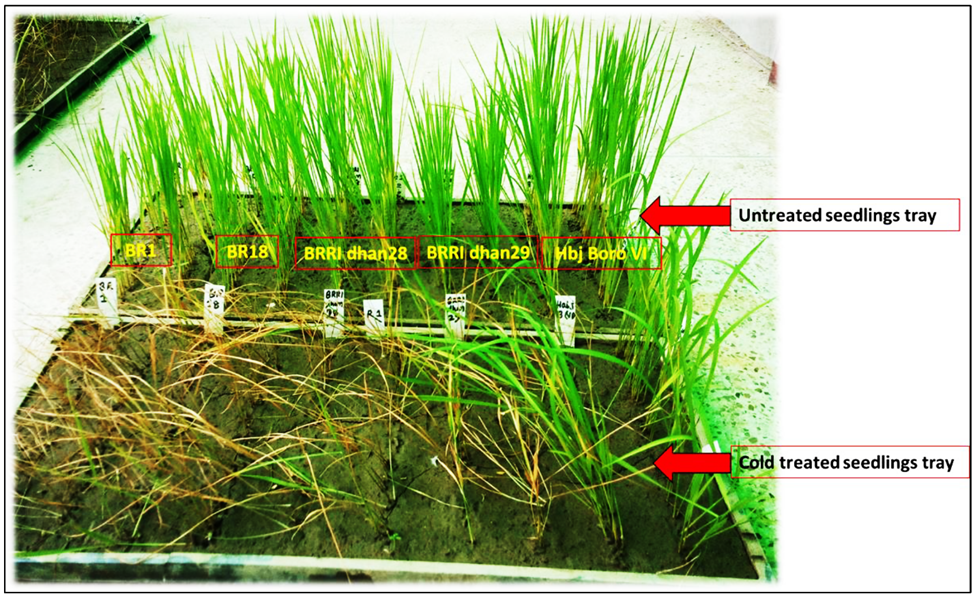
Friday, 12/12/2025 | 13:36:19
Low-temperature stress poses a significant challenge to the growth and yield of rice seedlings. Although quantitative trait loci (QTLs) have been mapped and underlying genes for cold tolerance identified, breeding efforts remain constrained by the lack of precise molecular markers. In this study, we analyzed 529 accessions from the 3K Rice Genomic Diversity Panel to investigate genetic variations in OsCTS11, a known negative regulator of cold tolerance in rice seedlings. Linkage disequilibrium (LD) analysis identified three critical LD blocks (BLOCK1-3) within OsCTS11, each containing four distinct haplotypes.
Genetically Engineered Mustard Shows Strong Resistance to Glyphosate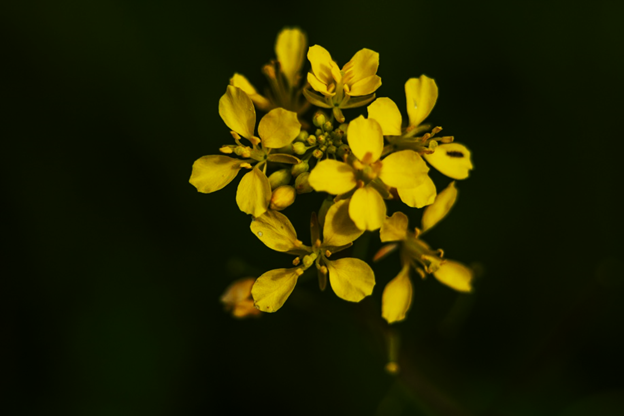
Friday, 12/12/2025 | 13:35:22
Researchers from China have successfully developed glyphosate-resistant tumorous stem mustard, the crop used to produce Chinese pickled mustard, by modifying two key genes in Brassica juncea to create lines that can survive common herbicides without affecting plant growth.
The research team introduced targeted amino acid substitutions in two EPSPS genes and identified the triple-mutant BjuA010725TIAVPS that displayed exceptional glyphosate resistance.
Small Stature, Big Impact: How SAMSORG 52 is Redefining Sorghum Farming in Nigeria 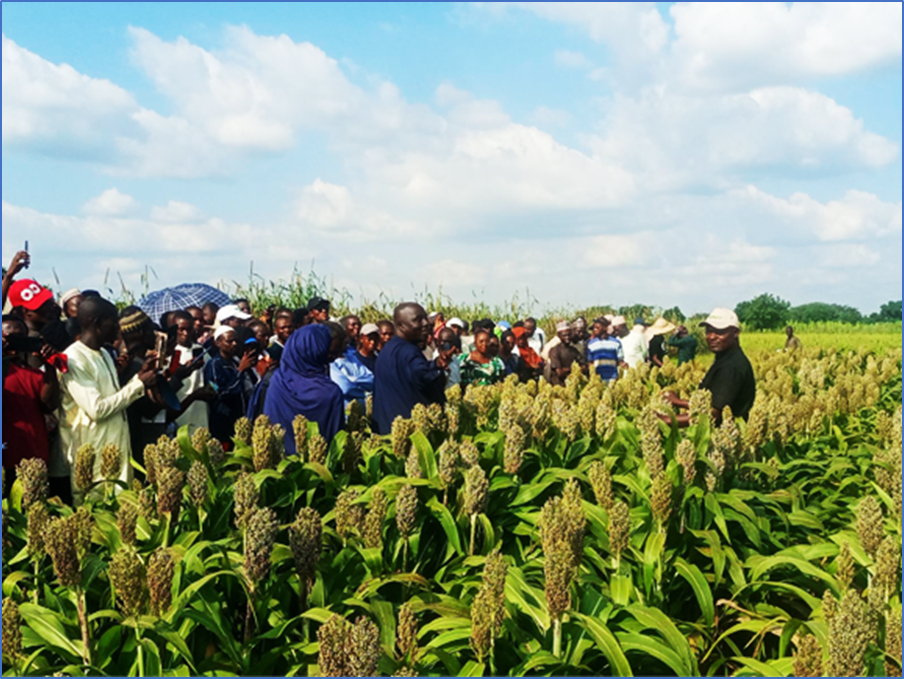
Friday, 12/12/2025 | 13:34:29
ICRISAT’s short-duration sorghum variety, SAMSORG 52, is transforming farming in northern Nigeria by addressing insecurity, strengthening productivity, and improving nutrition.
Sorghum is more than a crop in northern Nigeria – it is a lifeline. Millions of households depend on it daily for food, livestock feed, income, and cultural practices. But in recent years, farmers have faced unprecedented challenges. Insecurity from banditry and insurgency has made cultivating tall sorghum risky, while drought and erratic rainfall continue to reduce yields.
Whole genome based identification of BAHD acyltransferase gene involved in piperine biosynthetic pathway in black pepper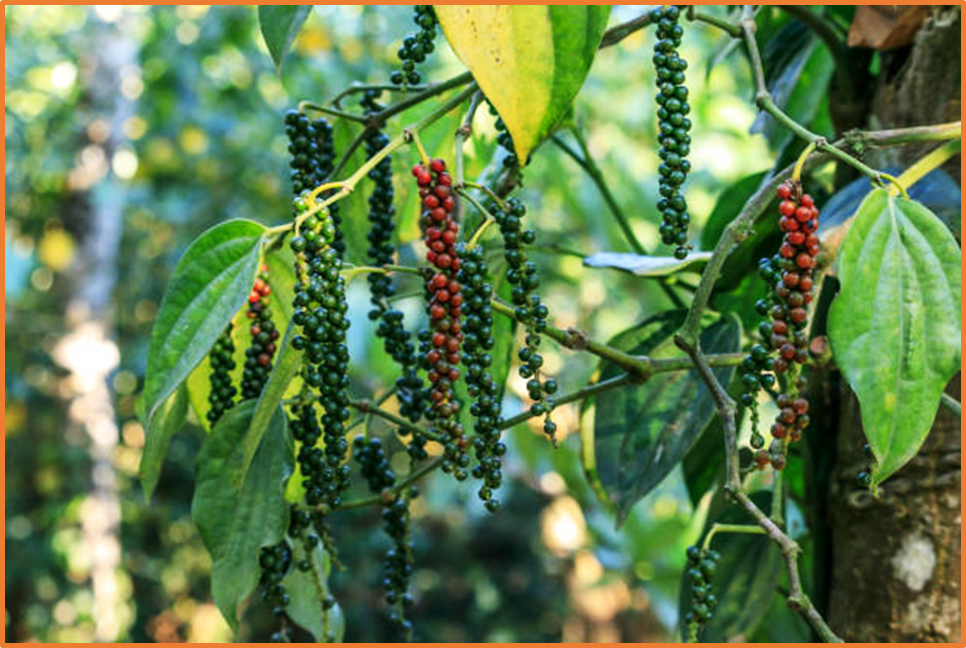
Friday, 12/12/2025 | 13:33:24
Black pepper (Piper nigrum L.), a crop of the genus Piper, is an important spice that has both economic and ecological significance. It is widely regarded as the "King of Spices" because of its pungency, attributed to the presence of piperine. BAHD acyl transferase, the crucial enzyme involved in the final step in piperine biosynthesis was the focus of our study and the aim was to identify the candidate isoform involved in biosynthesis of piperine. Reference genome-based analysis of black pepper identified six BAHD-AT isoforms and mapping of these sequences revealed that the isoforms were situated on six distinct chromosomes.
COGEM Releases Advice on GM Soybean MON87708 x MON89788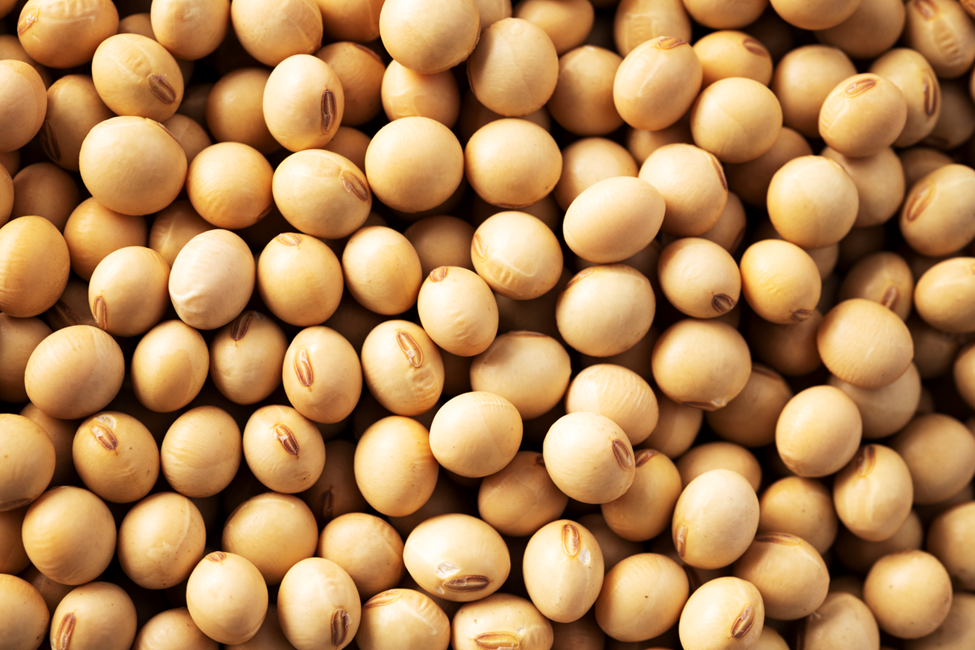
Friday, 12/12/2025 | 13:32:21
COGEM, the Netherlands' advisory committee on genetic modification, has issued a positive opinion on the renewal of authorization for the import and processing of genetically modified (GM) soybean MON87708 x MON89788. The GM soybean is a stacked-event variety engineered to resist herbicides intended for use in both food and animal feed. The committee's advice, published under reference CGM/251124-02, signals continued regulatory support for the trade and consumption of the modified crop.
New Genomic Discovery from ICRISAT Could Save Farmers Millions by Preventing Groundnut Sprouting Before 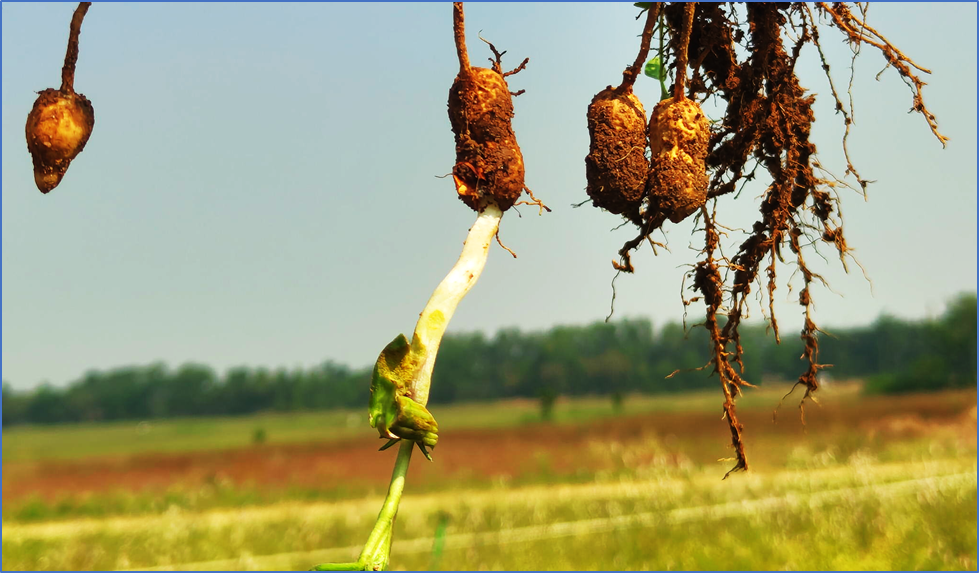
Friday, 12/12/2025 | 13:31:24
In this study, the International Crops Research Institute for the Semi-Arid Tropics (ICRISAT) and its partners show how breeders can develop groundnut varieties with fresh seed dormancy—a natural “built-in wait time” that prevents pre-harvest sprouting and protects both yield and quality. This trait offers a powerful safeguard against the severe financial losses farmers face when early rains trigger sprouting.