


News & Events

An international research team has successfully unraveled the genomes of 418 unique samples of rapeseed from different geographical locations across the globe to identify traits for improved crop yield. The research is a four-year collaboration among scientists from Australia, China, and the United States. The researchers were able to identify the genes behind 56 traits that were modified during rapeseed improvement.
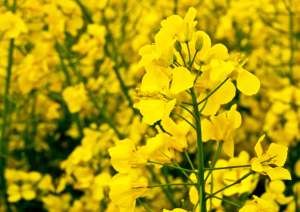
Food Standards Australia New Zealand (FSANZ) is calling for comment on an application from BASF Australia to allow the sale and use of food derived from a new genetically modified (GM) canola. The canola line LBFLFK has been genetically modified to produce omega-3 long-chain polyunsaturated fatty acids (LC-PUFAs) and for tolerance to imidazolinone herbicides. If approved, LBFLFK canola could be imported into Australia and New Zealand as refined oil or as an ingredient within a food.
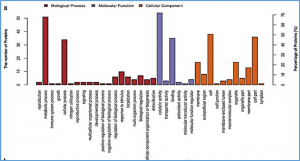
Phosphorus (P) deficiency tolerance in rice is a complex character controlled by polygenes. Through proteomics analysis, we could find more low P tolerance related proteins in unique P-deficiency tolerance germplasm Dongxiang wild rice (Oryza Rufipogon, DXWR), which will provide the basis for the research of its regulation mechanism. In this study, a proteomic approach as well as joint analysis with transcriptome data were conducted to identify potential unique low P response genes in DXWR during seedlings.

University of Maryland scientists have developed CRISPR-Combo, a new tool for editing several genes in plants while simultaneously modifying the expression of other genes. This breakthrough, published in Nature Plants, allows genetic engineering combinations that work together to enhance the functionality and breeding of new crops. “As a proof of concept, we showed that we could knock out gene A and upregulate, or activate, gene B successfully, without accidentally crossing over and knocking out gene B or upregulating gene A,” said Yiping Qi.
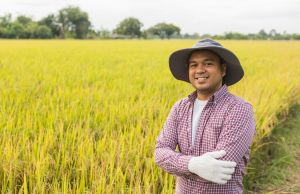
The Philippine Department of Agriculture-Philippine Rice Research Institute (DA-PhilRice) announced the first seven provinces to plant Golden Rice this year. Dr. Ronan Zagado, program leader of Golden Rice, made the announcement during a meeting with rice stakeholders in Bangsamoro Autonomous Region in Muslim Mindanao (BARMM) in Cotabato City.
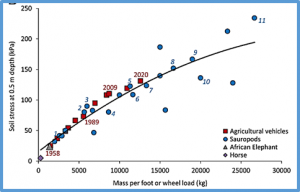
Mechanization has greatly contributed to the success of modern agriculture, with vastly expanded food production capabilities achieved by the higher capacity of farm machinery. However, the increase in capacity has been accompanied by higher vehicle weights that increase risks of subsoil compaction. We show here that while surface contact stresses remained nearly constant over the course of modern mechanization

On May 25, 2022, the Government of the United Kingdom introduced a bill to the Parliament to cut red tape and support the development of innovative tech to grow more resistant, more nutritious, and more productive crops. The new legislation, the Genetic Technology (Precision Breeding) Bill will remove unnecessary barriers to research into new gene editing technology.

John Innes Centre (JIC) scientists used CRISPR-Cas9 to shut off a molecule in tomato plants and increase the concentration of provitamin D3 in the fruits and leaves. The study, published in Nature Plants, provides a simple solution to the increasing number of individuals suffering from vitamin D insufficiency worldwide. Vitamin D is naturally produced in human bodies after the skin is exposed to the UVB light of the sun, thus it is known as the sunshine vitamin.
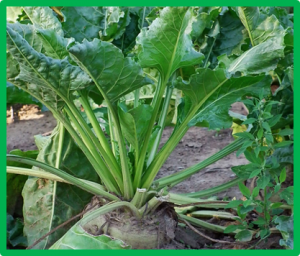
The stability of cytoplasmic male sterility expression in several genetic backgrounds was investigated in sugar beet (Beta vulgaris L.). Nine genetically heterogenous plants from open-pollinated varieties were crossed with a cytoplasmic male sterile line to obtain 266 F1 plants. Based on marker analysis using a multiallelic DNA marker linked to restorer-of-fertility 1 (Rf1), we divided the F1 plants into 15 genotypes.
Malaria is a deadly disease with approximately 627,000 deaths recorded in 2020 alone. The World Health Organization reports that in 2020, 95 percent of the world's malaria cases and 96 percent of malaria deaths occurred in Africa. Now, Target Malaria, a not-for-profit research consortium, is working with Burkina Faso's Research Institute for Science and Health (IRSS, in French) to develop and share new, cost-effective, and sustainable genetic technologies to fight malaria.
Researchers and regulators can build from past experiences of genetically engineered (GE) crops deployment in Africa to improve public acceptance towards gene drive tools to fight malaria and other mosquito-borne diseases in the region. Gene drives are also a product of genetic engineering, and Africa was home to 95% of malaria cases in 2020, according to WHO.
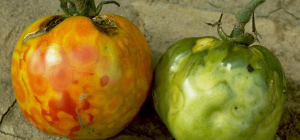
Tomato spotted wilt is a viral disease caused by Tomato spotted wilt virus (TSWV), which is a devastating disease that affects tomato (Solanum lycopersicum) production worldwide, and the resistance provided by the Sw-5 gene has broken down in some cases. In order to identify additional genes that confer resistance to TSWV, the F2 population was mapped using susceptible (M82) and resistant (H149) tomato lines.