


News & Events
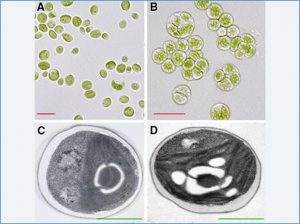
Biopesticides offer a sustainable and efficient alternative to synthetic pesticides, providing a safer and more eco-friendly solution to pest management. The present work proposes an innovative approach that integrates crop protection and wastewater treatment using thermophilic microalgal strain Chlorella thermophila (CT) cultivated in nutrient-rich dairy wastewater as a growth medium. The microalgae was cultivated mixotrophically and was able to reduce both organic carbon as well as nutrient load of the dairy wastewater efficiently.
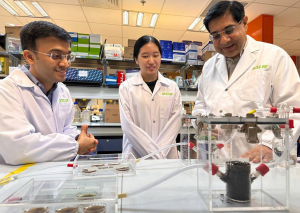
Scientists from the National University of Singapore (NUS) and the Singapore Centre for Environmental Life Sciences Engineering (SCELSE) have uncovered agro-microbials that can enhance the synergy between crops and microbes, and ultimately improve crop yield and productivity. In the study conducted over five years since 2018, the scientists discovered that the plant hormone methyl jasmonate (MeJA), a volatile organic compound typically released by plants above ground during periods of stress – served as a shared,
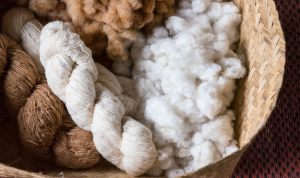
Through genetic linkage maps, multi-environmental phenotype data, and transcriptome studies, researchers from the Institute of Cotton Research of the Chinese Academy of Agricultural Sciences discovered a gene that regulates fiber quality and yield traits in cotton. Their findings are published in the Journal of Advanced Research. Upland cotton is the largest source of natural fiber from plants. Breeding better cotton varieties with favorable fiber quality and yield traits has challenged researchers. Thus, finding the genetic basis of yield and fiber quality is highly significant in cotton improvement.
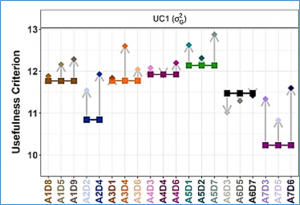
Genetic diversity is crucial for maintaining genetic gains and ensuring breeding programs’ long-term success. In a closed breeding program, selection inevitably leads to a loss of genetic diversity. While managing diversity can delay this loss, introducing external sources of diversity is necessary to bring back favorable genetic variation. Genetic resources exhibit greater diversity than elite materials, but their lower performance levels hinder their use.

Researchers from the University of Southampton have successfully engineered the microbiome of plants for the first time to boost crop health by increasing the presence of good bacteria in plants. The findings of the paper published in Nature Communications could reduce the need and reliance on pesticides that are usually harmful to the environment.
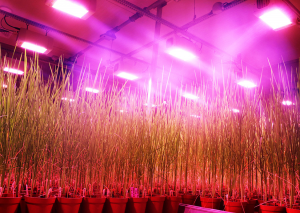
Scientists from the International Rice Research Institute (IRRI) have developed SpeedFlower, a robust, first-ever speed breeding protocol for rice that will achieve 4 to 5 crops of rice in one year, which is almost double of what has been possible in current breeding programs. SpeedFlower focuses on optimizing light spectrum, intensity, photoperiod, temperature, humidity, nutrient levels, and hormonal regulation to expedite growth, flowering, and maturity in rice.
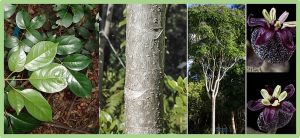
Heat stress interrupts physiological thermostability and triggers biochemical responses that are essential for plant survival. However, there is limited knowledge on the speed plants adjust to heat in hours and days, and which adjustments are crucial. Tropical-subtropical rainforest tree species (Polyscias elegans) were heated at 40°C for 5 d, before returning to 25°C for 13 d of recovery. Leaf heat tolerance was quantified using the temperature at which minimal chl a fluorescence sharply rose (Tcrit ). Tcrit , metabolites, heat shock protein (HSP) abundance and membrane lipid fatty acid (FA) composition were quantified. Tcrit increased by 4°C (48-52°C) within 2 h of 40°C exposure, along with rapid accumulation of metabolites and HSPs.

In 2023, we celebrated 75 years of the World Health Organization (WHO). It was a year to reflect on 75 years of global health achievements, while facing the multiple and complex challenges affecting our health today. This milestone anniversary served as a powerful reminder of how working together in global solidarity has enabled us to rise to complex challenges in the past, and will continue to do so in the future. Despite multiple health-related crises, there were many reasons for hope in 2023.
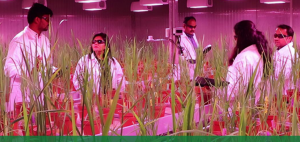
Scientists from the International Rice Research Institute (IRRI) developed a robust, first ever speed breeding protocol for rice that will achieve 4 to 5 crops of rice in one year - almost double of what has been possible in breeding programs until now. This protocol will be important to accelerate breeding new improved varieties of rice to cope with climate change and the needs of a growing world population. Called SpeedFlower, the protocol focuses on optimizing light spectrum, amount and intensity, along with temperature, humidity and other variables that expedite growth, flowering and maturity in rice.
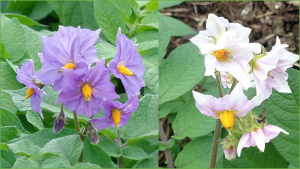
Potato genome database was used for genome-wide analysis of StPRMT and StHDMA gene families, which were further characterized by analyzing gene structure, conserved motif, domain organization, sub-cellular localization, promoter region and phylogenetic relationships. Additionally, expression profiling under high-temperature stress in leaf and stolon tissue of heat contrasting potato genotypes was done to study their role in response to high temperature stress.
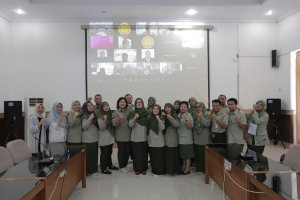
IRRI’s key partner in Indonesia, Badan Standardisasi Instrumen Pertanian (BSIP also known as the Agricultural Instruments Standardization Agency), conducted a two-day meeting on 18-19 December 2023. Held at BSIP Food Crop office in Bogor, the meeting was attended by 10 Rice Crop Manager (RCM) Indonesia Implementation Teams from BSIP and IRRI. The meeting aimed to identify challenges and align activities with targeted objectives to ensure the effective implementation of the program.
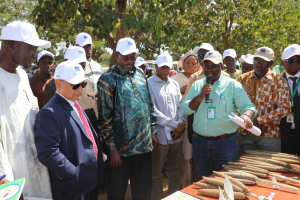
As part of global celebrations to mark the International Year of Millets 2023, ICRISAT opened the doors of its Samanko Research Station and regional hub for West and Central Africa for an engaging open field day on 2 November 2023. The occasion was honored by the presence of Mali's Minister for Agriculture, Mr Lassine Dembélé. In a brief opening ceremony, Dr Macdonald Bright Jumbo, Interim Director of ICRISAT in Mali, welcomed participants and highlighted the significance of the International Year of Millets as "