Agro-Biotech News
Monday, 28-04-2025 | 07:38
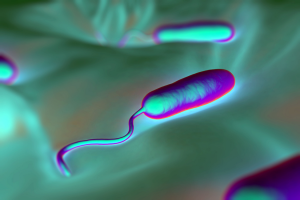
Plants detect bacterial attack using specialized receptors that trigger defensive responses upon detection of a special part of the bacterial flagellin. The University of Oxford researchers found that pathogenic bacteria like Pseudomonas syringae produce glycosyrin, a unique molecule that blocks the plant's sugar-removing enzymes. Since the bacterial flagellin is covered with sugar, the glycosyrin prevents exposure of the bacteria's flagellin fragments. This makes the bacteria undetected by the plant's immune surveillance.