Agro-Biotech News
Thursday, 29-04-2021 | 08:31
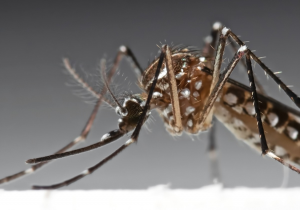
Scientists from the Imperial College of London used CRISPR-Cas9 technology to develop gene-edited mosquitoes that could possibly reduce their ability to spread Malaria. Though only a preliminary study has been done, the breakthrough could be used for a gene drive that can provide a new way to reduce illnesses and deaths caused by Malaria. The researchers used CRISPR-Cas9 technology to insert a gene that encodes an antimalarial protein among genes that are turned on after the mosquito (Anopheles gambiae) consumes a blood meal.