


Turning the tide on typhoon havoc in the Philippines
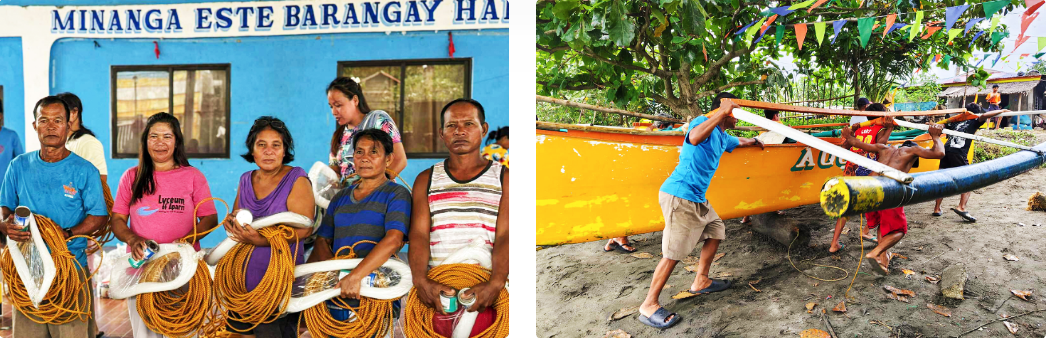
Figure: With extreme weather more common, the community’s work now goes beyond farming and fishing to protecting their agricultural assets. With anticipatory action support from FAO and the local government, the fishers used unconditional cash transfers to evacuate boats and move assets to safety. ©FAO/ Jomer Bais
In the northernmost reaches of the Philippines, along its vast coastline, fishers have long enjoyed the bounty of the sea for their sustenance. Mahi Mahi, marlin, mackerel, grouper and octopus: the species abound. While inland, the fertile soil also gives generously, producing fresh fruits and vegetables for its attentive farmers.
Natural resources are abundant across this province of Cagayan, making it one of the most important agricultural areas in the country. Paradoxically, this same location that gifts the region with these treasures is also the location of yearly powerful typhoons that endanger lives and livelihoods.
In 2024 alone, six tropical cyclones barreled through this area of the country and devastated boats, nets, coastal shelters, agricultural fields and the livelihoods of those who depend on them. By September 2025, the local department of agriculture estimated the damage to fisheries and agriculture in the province at more than USD 13.7 million (PHP 807.14 million), the highest across any region in the Philippines.
Many fishers and farmers had not yet rebuilt what they had lost when a new threat emerged two months later: Super Typhoon Fung-Wong (Uwan). This time, the community resolved not to endure the same losses again.
With extreme weather conditions becoming the new normal, the community has understood that their work now goes beyond farming and fishing: it includes protecting their harvests, equipment and infrastructure from typhoons and acting well before one hits.
See https://www.fao.org/newsroom/story/turning-the-tide-on-typhoon-havoc-in-the-philippines/en
Views: 101