


Emerging Biotechnological Solutions for Plastic Waste Management
By Janine Escasura, Kristine Tome, and Clement Dionglay
Every year, 19-23 million tonnes of plastic waste leak into aquatic ecosystems, including lakes, rivers, and seas. According to the World Economic Forum, our oceans could weigh more from plastic than from fish by 2050 if the production of plastic remains uncontrolled. Plastic waste is a global problem. Traditional plastic waste management has been insufficient to tackle the scale of the crisis. With plastic pollution continuing to rise at an alarming rate, it’s clear that innovative solutions are urgently needed.
Biotechnology is an emerging tool to address this global concern. From engineered algae that capture microplastics in wastewater to bacteria that transform polyethylene terephthalate (PET) into vanilla flavoring or into biodegradable plastic alternatives, biotechnology is reimagining plastic pollution as a resource to restore ecosystems and reduce environmental harm.
The International Service for the Acquisition of Agri-biotech Applications, Inc. (ISAAA, Inc.), through its Biotech Updates e-newsletter, continues to monitor global biotechnology breakthroughs that offer solutions to specific problems. This article spotlights key research and development advances that demonstrate how biotech innovations are transforming plastic waste management while driving more sustainable solutions worldwide.
Engineered Algae Capture Microplastics from Wastewater
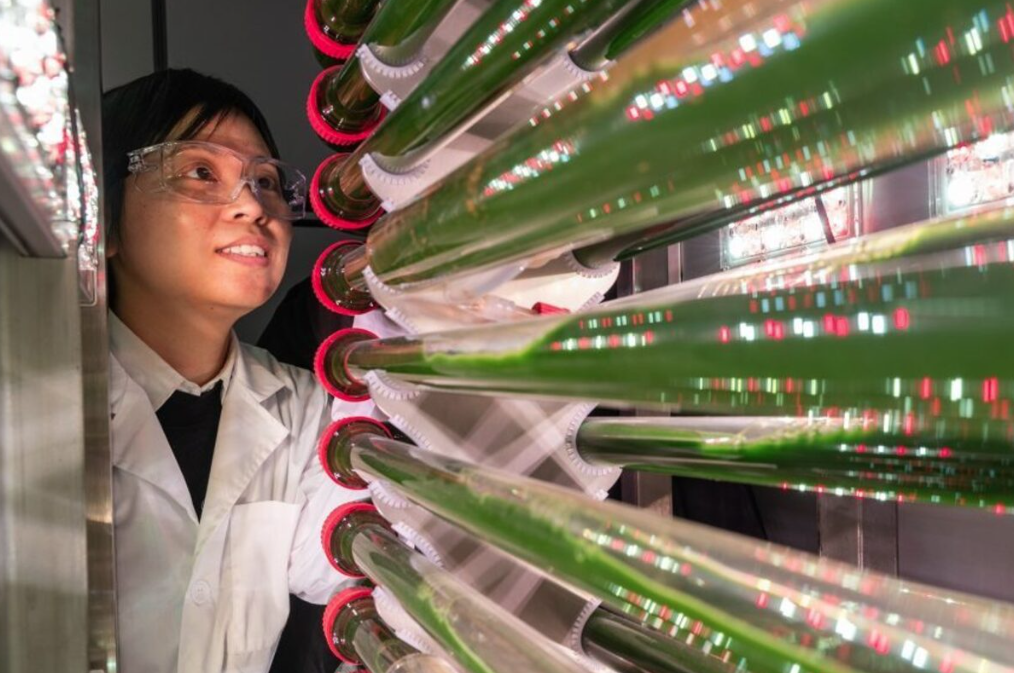
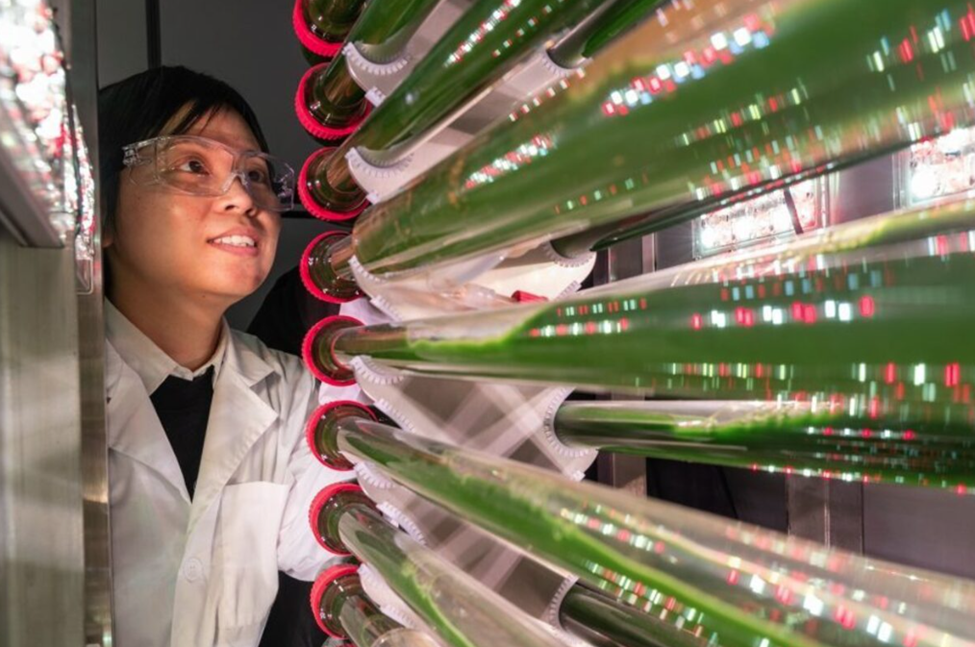
Prof. Susie Dai, a researcher in the Department of Chemical and Biomedical Engineering at the University of Missouri, has developed genetically engineered algae that can remove microplastics from wastewater by converting them into a biomass that is easy to collect and remove. Prof. Dai used genetic engineering to create a lab-grown algae that produce limonene, a volatile natural oil that makes the new algae water-repellent. Because microplastics are also water-repellent, they stick to the algae when they come into contact, clumping together and sinking as a solid mass that can be easily collected. The engineered algae can grow in wastewater, absorbing excess nutrients and helping clean the water as they grow.
See https://www.isaaa.org/blog/entry/default.asp?BlogDate=2/18/2026
Views: 107