


Climate change, conflict and inequality: why the Middle East and North Africa region needs a gender-responsive
 CGIAR January 15, 2026
Climate change is accelerating at an unprecedented pace, wreaking havoc across food, land and water systems around the world. Women—who hold essential roles in these systems—are often the most affected. Lacking equal access to the resources, tools and information needed to adapt, women face disproportionate impacts. Yet, in their resilience, women are also leading local responses and driving transformations within their food systems.
In the Middle East and North Africa (MENA) region, climate pressures are compounded by conflict, making it one of the most fragile regions globally. These overlapping crises widen gender gaps and drive inequality to new heights. Although women make up nearly half of the agricultural, aquaculture and fisheries labour forces in several contexts, their contributions remain undervalued, and structural barriers continue to undermine their potential.
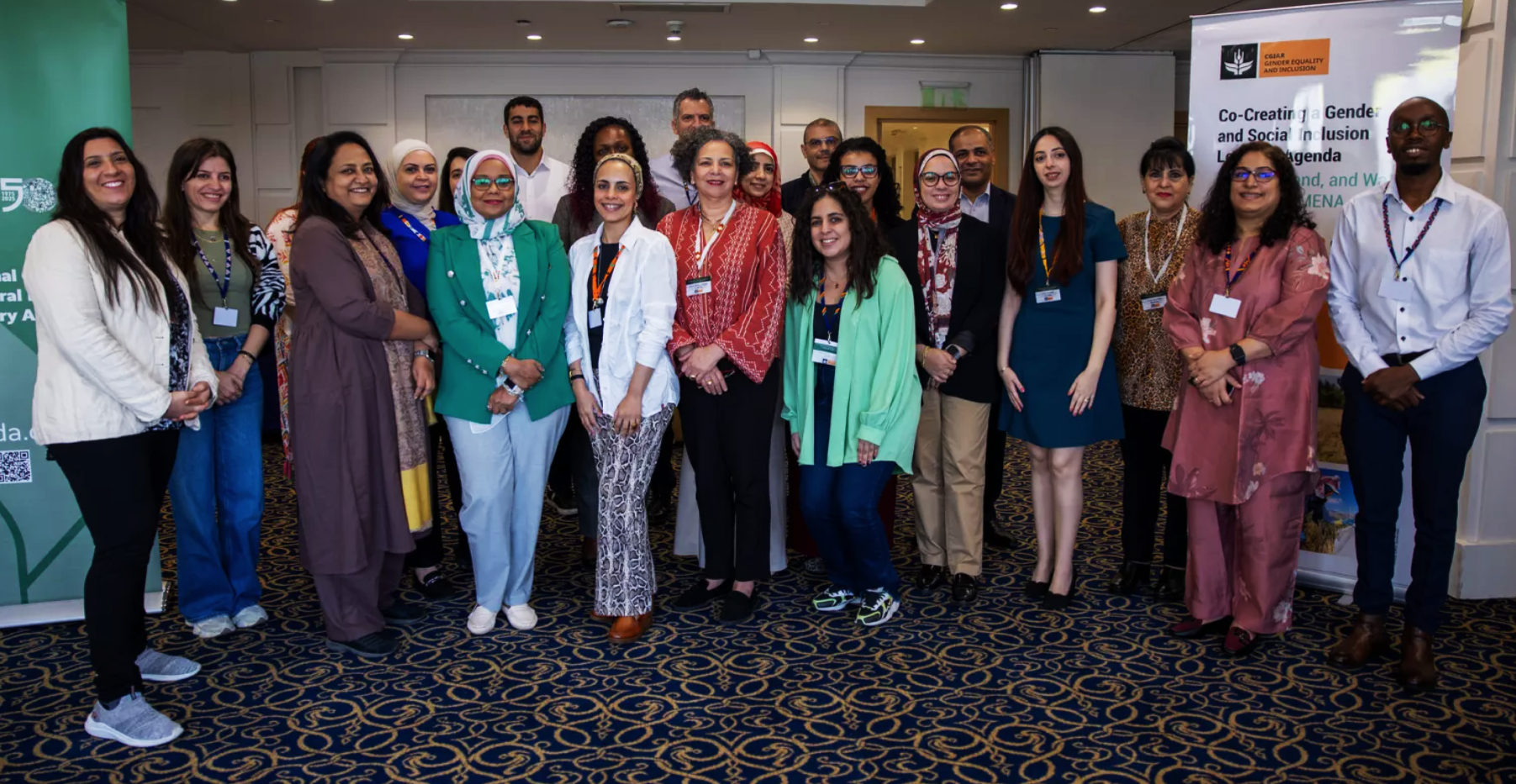
“We must act urgently to accelerate transformation in these food systems,” said Ranjitha Puskur, a Principal Scientist from International Rice Research Institute (IRRI), who facilitated CGIAR Gender Equality and Inclusion Accelerator co-organized regional workshop “Co-creating a Gender and Social Inclusion Learning Agenda for Food, Land and Water Systems in MENA”, held from 19–20 November 2025 in Cairo, Egypt.
The food, land and water systems of the MENA region already struggle with limited natural resources and slow technological advancement. At the same time, socio-cultural norms and gendered constraints often go unaddressed, further exacerbating the challenges women face. Women face both biophysical limitations and intra-household barriers that restrict their access to and use of innovations, highlighting the need for gender-inclusive approaches in designing these technologies and innovations and a call for gender-responsive extension services.
Despite this urgency, the evidence base on gender equality and social inclusion (GESI) in MENA’s food, land and water systems remains scarce and fragmented. Without solid evidence, it becomes difficult for policymakers and practitioners to set priorities and identify impactful opportunities.
“We need more evidence recognizing women as farmers—legally and socially,” said Dina Najjar, Senior Gender Scientist at the International Center for Agricultural Research in the Dry Areas (ICARDA).
Views: 133